Decoding Dress Codes: 5 Common Scenarios and Their Perfect Outfits for 2026 Events
Navigating the intricate world of dress codes can often feel like deciphering a secret language. From the moment an invitation lands in your inbox, the unspoken question looms: “What should I wear?” In 2026, as social calendars fill up with a diverse array of events, understanding the nuances of various dress codes is more crucial than ever. This comprehensive dress code guide aims to demystify the most common scenarios, ensuring you arrive at every occasion not just appropriately dressed, but confidently stylish.
The right outfit can enhance your experience, making you feel comfortable, respected, and ready to engage. The wrong one, however, can lead to awkwardness and self-consciousness. Forget fashion faux pas; with this guide, you’ll master the art of dressing for success, whether it’s a glamorous black-tie gala or a relaxed smart casual gathering. We’ll break down five prevalent dress code categories, offering specific outfit suggestions, essential styling tips, and common pitfalls to avoid. Prepare to elevate your wardrobe and your confidence for every event on your 2026 agenda.
Anúncios
1. Black Tie: The Epitome of Formal Elegance
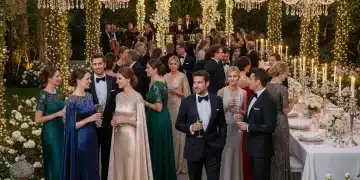
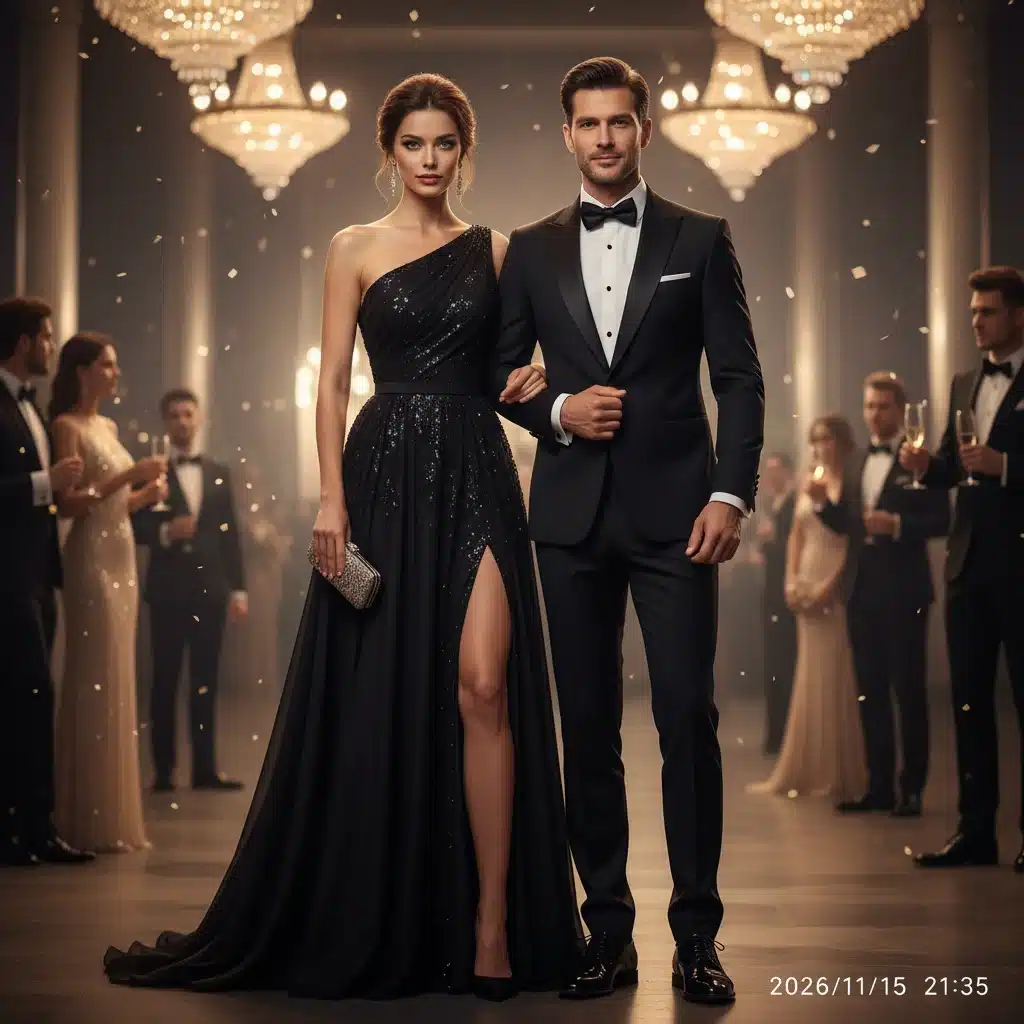
The phrase “Black Tie” immediately conjures images of sophistication, luxury, and timeless glamour. It’s the most formal dress code you’re likely to encounter, typically reserved for evening events such as galas, charity balls, upscale weddings, and significant corporate dinners. Understanding the strictures of black tie is paramount, as deviation can be noticeably out of place. This dress code guide section will ensure you nail this classic look every time.
For Gentlemen: The Classic Tuxedo
The foundation of black tie for men is, without question, the tuxedo. There’s very little room for interpretation here, and sticking to the traditional elements is always the safest and most stylish bet.
Anúncios
- The Tuxedo Jacket: A black or midnight blue dinner jacket made from wool (barathea or superfine) with satin or grosgrain lapels (peak lapel or shawl collar). Single-breasted is most common, but double-breasted is also acceptable.
- Trousers: Matching trousers, typically black or midnight blue, with a satin stripe down the outseam. They should be uncuffed.
- Shirt: A crisp white dress shirt. This is key. It should be a formal shirt with a pleated front (either marcella or plain), French cuffs (for cufflinks), and a turn-down collar or a wing collar for a more traditional look.
- Bow Tie: A black bow tie made of silk, satin, or velvet. Crucially, it should be self-tied. Pre-tied bow ties are generally frowned upon in strict black tie settings.
- Cummerbund or Waistcoat: A black cummerbund (pleats facing upwards) or a low-cut black waistcoat. This covers the waistband of the trousers and creates a seamless line, preventing the white shirt from showing between the jacket and trousers.
- Shoes: Highly polished black patent leather or highly polished black calf leather Oxfords. Loafers, even formal ones, are typically not appropriate for strict black tie.
- Accessories: White pocket square (silk or linen), and discrete cufflinks and shirt studs. A sophisticated watch is acceptable, but avoid anything overly sporty or flashy.
Common Pitfalls for Gentlemen: Wearing a regular suit, a long tie instead of a bow tie, or a casual shirt. Avoid brightly colored accessories unless explicitly stated as creative black tie. Sneakers, even designer ones, are an absolute no-go.
For Ladies: Elegant Gowns and Formal Dresses
Black tie for women offers a broader spectrum of choices, but the underlying principle is elegance and formality. The goal is to exude sophistication without overshadowing the occasion.
- Gowns: A formal floor-length evening gown is the quintessential black tie choice. Materials like silk, satin, velvet, lace, or chiffon are appropriate. The silhouette can vary from A-line to mermaid, sheath, or ball gown, depending on your preference and body type.
- Cocktail Dresses (with caution): In some slightly less rigid interpretations of black tie, a very elegant, knee-length or midi-length cocktail dress made from luxurious fabric might be acceptable, but always err on the side of floor-length if unsure. It should still be formal and sophisticated, not a party dress.
- Formal Separates: A chic alternative can be a formal skirt (floor-length or midi) paired with an equally formal top, or a sophisticated pantsuit in luxurious fabric like silk or velvet.
- Shoes: Elegant high heels (stilettos, pumps) or dressy flats if comfort is a priority, but they must be formal.
- Accessories: A small, elegant clutch bag. Fine jewelry (diamonds, pearls, gemstones). A delicate wrap or stole can be practical and stylish for cooler evenings.
- Hair and Makeup: Generally, hair should be styled (updo, elegant waves) and makeup should be polished and sophisticated.
Common Pitfalls for Ladies: Wearing anything too casual (e.g., sundresses, short skirts), overly revealing outfits, or carrying large handbags. Avoid overly casual shoes or excessive, flashy jewelry.
2. Cocktail Attire: Chic and Celebratory
Cocktail attire strikes a perfect balance between formal and semi-formal, making it one of the most popular dress codes for a wide range of events, from evening parties and receptions to celebratory dinners. It’s about looking polished, stylish, and festive without the strictness of black tie. This part of our dress code guide helps you master this versatile look.
For Gentlemen: Smart Suits and Blazers
For men, cocktail attire typically means a suit, but with more flexibility in color and style than black tie.
- Suit: A well-fitted suit in a darker color like charcoal, navy, or black is always a safe bet. However, lighter colors like grey or even a subtle pattern (e.g., pinstripe or windowpane) can be appropriate depending on the event’s time and venue.
- Shirt: A collared dress shirt in a solid color or a subtle pattern. White, light blue, or even a deep jewel tone can work.
- Tie: A tie is usually expected. This is where you can add personality with interesting patterns, textures, or colors. Bow ties are also an option.
- Shoes: Polished leather dress shoes such as Oxfords, Derbies, or loafers. Avoid sneakers or overly casual footwear.
- Optional: A smart blazer or sport coat paired with dress trousers (not jeans) can also be acceptable, especially for a slightly less formal cocktail event.
Common Pitfalls for Gentlemen: Wearing a casual jacket, jeans, or a t-shirt. Avoiding a tie altogether unless the event is explicitly very relaxed cocktail. Unpolished shoes.
For Ladies: Elegant Dresses and Jumpsuits
Cocktail attire for women is about sophisticated party wear. Think elegant, fashionable, and celebratory.
- Dresses: A cocktail dress that falls anywhere from just above the knee to mid-calf (midi-length). Fabrics like silk, lace, velvet, brocade, or high-quality crepe are excellent choices. You can experiment with colors, embellishments, and silhouettes.
- Jumpsuits: A chic and well-tailored formal jumpsuit in a luxurious fabric is a fantastic modern alternative to a dress.
- Separates: A dressy top paired with a formal skirt (pencil, A-line, or flowy midi) or tailored trousers. The key is that both pieces should look elevated and coordinated.
- Shoes: Heels are generally preferred (pumps, strappy sandals, elegant boots), but dressy flats can also work.
- Accessories: A clutch or small shoulder bag. Statement jewelry or delicate pieces, depending on the outfit.
- Hair and Makeup: Polished hair and makeup that complements your outfit.
Common Pitfalls for Ladies: Wearing a floor-length gown (too formal), overly casual fabrics (e.g., jersey cotton), or anything too revealing. Large, everyday handbags are not suitable.
3. Business Casual: Professional Yet Relaxed
Business casual is perhaps the most ubiquitous and, paradoxically, one of the most confusing dress codes. It aims for a professional appearance without the rigidity of traditional business formal wear. It’s common in office environments, networking events, casual business meetings, and some daytime conferences. Our dress code guide will clarify this often-misunderstood category.
For Gentlemen: Blazers, Collared Shirts, and Chinos
The essence of business casual for men is smart, comfortable, and respectable.
- Tops: A collared shirt is usually essential. This can be a button-down shirt (oxford, gingham, stripes), a polo shirt, or a fine-gauge knit sweater. Avoid t-shirts or anything with prominent logos.
- Jackets: A sport coat or blazer is highly recommended as it instantly elevates the look. It’s not always mandatory but adds polish.
- Bottoms: Chinos, khakis, or dress trousers are ideal. Dark-wash, well-fitting jeans can sometimes be acceptable depending on the specific workplace culture, but it’s safer to stick to non-denim options. Avoid ripped or distressed jeans.
- Shoes: Loafers, dressy casual leather shoes, brogues, or clean, minimalist leather sneakers (if the environment is very relaxed). Avoid athletic sneakers, flip-flops, or sandals.
- Accessories: A smart leather belt that matches your shoes.
Common Pitfalls for Gentlemen: Wearing a full suit (too formal), overly casual t-shirts, athletic wear, or dirty/worn-out shoes. Cargo shorts or casual shorts are never business casual.

For Ladies: Blouses, Skirts, and Tailored Trousers
Business casual for women means looking professional and put-together, but with more comfort and personal style than corporate formal.
- Tops: Blouses, button-down shirts, sophisticated knit tops, sweaters (cardigans, pullovers), or shell tops. Avoid anything too low-cut, sheer, or with loud patterns that could be distracting.
- Bottoms: Tailored trousers (cigarette pants, wide-leg, straight-leg), skirts (pencil, A-line, midi-length), or smart dresses. Skirt and dress lengths should generally be at or below the knee.
- Jackets: A blazer, cardigan, or a smart jacket can complete the look and add professionalism.
- Shoes: Closed-toe shoes are generally preferred. Loafers, ballet flats, low heels, smart ankle boots, or elegant pumps. Avoid overly high heels, flip-flops, or athletic sneakers.
- Accessories: Simple, professional jewelry. A structured handbag or tote.
- Hair and Makeup: Polished but not necessarily as formal as black tie.
Common Pitfalls for Ladies: Wearing anything too casual like t-shirts, leggings, shorts, or overly revealing clothing. Also, avoid anything too formal like a full ball gown or overly flashy evening wear.
4. Semi-Formal: The Art of Elevated Casual
Semi-formal is a step down from cocktail attire but still requires a polished and refined look. It’s a common choice for daytime weddings, holiday parties, nice dinners, or celebratory events that aren’t quite black tie. This is where personal style can shine while maintaining an air of sophistication. This dress code guide will help you navigate this versatile category.
For Gentlemen: Suits or Smart Separates
For men, semi-formal often means a suit, but with more leeway than cocktail, or smart separates.
- Suit: A suit in a dark or lighter color (depending on the time of day and season). Navy, grey, or even a well-chosen tweed or linen suit for a daytime or outdoor event. A tie is usually optional but recommended for a more polished look.
- Shirt: A collared dress shirt in a solid color or a subtle pattern.
- Separates: A blazer or sport coat paired with dress trousers (wool, linen, or smart chinos). The key is that the blazer and trousers should complement each other in terms of fabric and color.
- Shoes: Polished leather dress shoes like Oxfords, Derbies, or loafers.
- Accessories: A tie can be worn, or you can opt for an open-collar look with a pocket square for added flair.
Common Pitfalls for Gentlemen: Wearing jeans, t-shirts, or athletic wear. Overly casual shoes. A full tuxedo is too formal.
For Ladies: Elegant Dresses, Skirts, or Dressy Pantsuits
Semi-formal for women offers a wide range of elegant choices, allowing for personal expression.
- Dresses: A dress that falls anywhere from knee-length to midi-length. It can be a sophisticated sundress (for daytime outdoor events), a sheath dress, an A-line dress, or a wrap dress. Fabrics can be a bit more varied than cocktail, including cotton blends, silk, crepe, or even a nice linen.
- Skirts and Tops: An elegant skirt (midi or knee-length) paired with a dressy top or blouse. The combination should look coordinated and polished.
- Pantsuits/Jumpsuits: A well-tailored pantsuit or a dressy jumpsuit in a refined fabric can be an excellent semi-formal option.
- Shoes: Heels, dressy flats, or elegant sandals.
- Accessories: A clutch or small bag. Jewelry that complements the outfit.
- Hair and Makeup: Polished but not necessarily as formal as black tie.
Common Pitfalls for Ladies: Wearing a floor-length evening gown (too formal), overly casual clothing like t-shirts or shorts, or overly distressed clothing. Avoid anything that looks like beachwear.
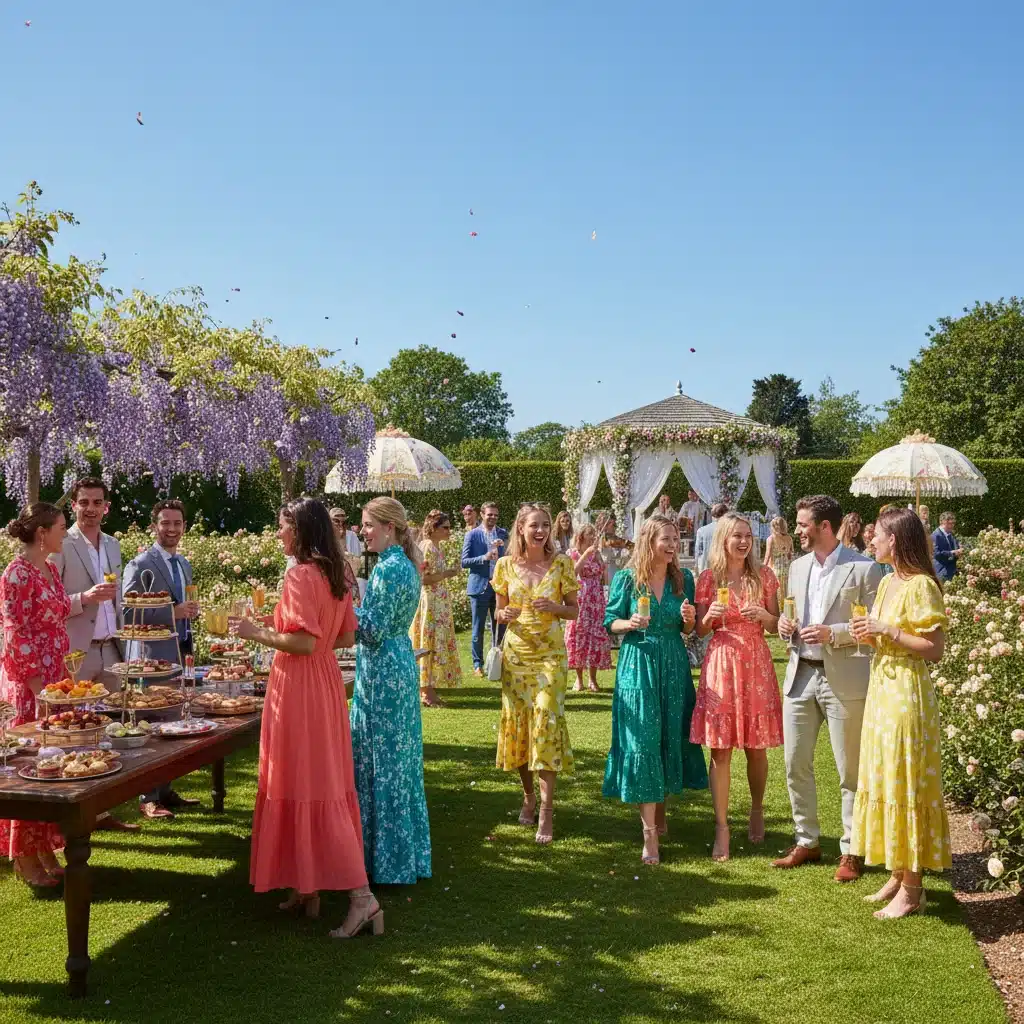
5. Casual/Smart Casual: Relaxed Yet Refined
Often considered the most comfortable dress code, “casual” or “smart casual” doesn’t mean sloppy. It implies a relaxed yet put-together appearance, suitable for informal gatherings, casual dinners, or weekend events. The “smart” in smart casual is key – it means elevating your everyday casual wear. This final section of our dress code guide will help you master this relaxed yet refined aesthetic.
For Gentlemen: Elevated Basics and Well-Fitting Denim
Smart casual for men is about looking effortless but intentional.
- Tops: A clean, well-fitting polo shirt, a stylish t-shirt (without graphics or logos), a button-down shirt (untucked if appropriate for the fit), or a fine-gauge sweater.
- Jackets/Outerwear: A casual blazer, a stylish bomber jacket, a denim jacket (if appropriate for the event), or a smart cardigan can elevate the look.
- Bottoms: Dark-wash, well-fitting jeans (without rips or heavy distressing), chinos, or tailored shorts (for warmer weather). Avoid athletic shorts or cargo shorts.
- Shoes: Clean, stylish sneakers, loafers, boat shoes, or casual leather boots. Ensure they are well-maintained.
- Accessories: A stylish belt, a casual watch.
Common Pitfalls for Gentlemen: Wearing dirty or overly worn clothing, athletic gear, flip-flops, or anything too baggy or ill-fitting. Graphic tees are generally not smart casual.
For Ladies: Stylish Separates and Comfortable Dresses
Smart casual for women is about comfort and style, allowing for personal expression while maintaining a polished appearance.
- Tops: Stylish blouses, sophisticated t-shirts, knit tops, sweaters, or casual button-downs.
- Bottoms: Well-fitting jeans (dark or light wash, no rips), chinos, tailored trousers, casual skirts (midi, maxi, or knee-length), or stylish shorts.
- Dresses: Casual dresses in comfortable fabrics like cotton, linen, or jersey. Think sundresses, shirt dresses, or comfortable midi dresses.
- Outerwear: A denim jacket, a stylish cardigan, a light blazer, or a trench coat.
- Shoes: Stylish sneakers, ballet flats, loafers, espadrilles, sandals (dressy, not beach-style), or ankle boots.
- Accessories: A stylish everyday bag, delicate jewelry, scarves.
- Hair and Makeup: Natural and effortless, but still put-together.
Common Pitfalls for Ladies: Wearing overly revealing clothing, pajamas, athletic wear, or anything that looks sloppy or unkempt. Avoid overly formal items that clash with the casual vibe.
General Tips for Mastering Any Dress Code in 2026
Beyond the specifics of each dress code, a few overarching principles can help you confidently navigate any event in 2026. This dress code guide wouldn’t be complete without these universal truths:
- When in Doubt, Overdress Slightly: It’s almost always better to be slightly overdressed than underdressed. You can often remove a jacket or tie to tone down an outfit, but it’s much harder to add formality if you’ve arrived too casually.
- Consider the Venue and Time: A “cocktail” event held outdoors in the afternoon will have a different feel than one held in a grand ballroom in the evening. Adjust fabrics, colors, and layers accordingly. Lighter fabrics and colors for daytime/outdoor, darker and richer for evening/indoor.
- Pay Attention to Grooming: A perfectly chosen outfit can be undone by poor grooming. Ensure your hair is styled, nails are clean, and shoes are polished. For women, makeup should be appropriate for the occasion.
- Comfort is Key (Within Limits): While you should dress appropriately, ensure you can move, sit, and enjoy yourself. An uncomfortable outfit will detract from your experience. Break in new shoes beforehand!
- Invest in Quality Basics: A few well-fitting, high-quality pieces (a classic suit, a little black dress, a versatile blazer) will serve you well across multiple dress codes and events.
- Read the Invitation Carefully: Sometimes, invitations include specific notes or themes (e.g., “Creative Black Tie” or “Garden Party Chic”). Pay close attention to these clues. If in doubt, don’t hesitate to politely ask the host for clarification.
- Accessorize Thoughtfully: Accessories can make or break an outfit. A statement necklace, a pocket square, or a pair of elegant cufflinks can elevate a simple look. Conversely, too many or inappropriate accessories can cheapen it.
- Know Your Body Type and Personal Style: While dress codes provide guidelines, they don’t dictate personal style. Choose pieces that flatter your figure and make you feel confident, within the boundaries of the code.
Conclusion: Confident Styling for Every 2026 Event
Mastering dress codes is an invaluable skill that speaks volumes about your respect for the occasion and your personal presentation. By understanding the nuances of black tie, cocktail, business casual, semi-formal, and smart casual, you’re not just choosing clothes; you’re making a statement about your confidence and attention to detail. This comprehensive dress code guide for 2026 has equipped you with the knowledge to approach any event with poise and impeccable style.
Remember, fashion is an extension of who you are, and while dress codes provide a framework, they also offer opportunities to express your unique taste within those boundaries. So, go forth, embrace the diverse events of 2026, and dress with the assurance that you are perfectly attired for every moment. Your wardrobe is now your most powerful social tool!