
Decoding Dress Codes: A 2026 Guide to Business Casual and Beyond for the Modern Professional
In the ever-evolving landscape of the modern workplace, understanding and adhering to appropriate dress codes can be a subtle yet powerful tool for career advancement. Gone are the days when a strict suit and tie were the universal standard. Today, the spectrum of professional attire ranges from highly formal to increasingly relaxed, making it crucial for every modern professional to master the nuances of each category. This comprehensive 2026 guide aims to demystify the various dress codes you’ll encounter, with a particular focus on Modern Professional Dress Codes like business casual, smart casual, and business formal, ensuring you always make the right impression.
Anúncios
The way we dress communicates volumes before we even utter a word. It signals respect, professionalism, and an understanding of the environment we operate in. In a world where first impressions are often digital and fleeting, a well-chosen outfit can be your silent advocate, projecting confidence, competence, and reliability. This article will not only define each dress code but also provide practical tips, examples, and common pitfalls to avoid, empowering you to navigate any professional setting with sartorial savvy.
The Shifting Sands of Professional Attire: Why Dress Codes Evolve
The evolution of Modern Professional Dress Codes is a direct reflection of broader societal and technological shifts. The rise of remote work, the emphasis on innovation and creativity, and a growing desire for comfort and authenticity have all contributed to a more flexible approach to workplace attire. Companies, especially in tech and creative industries, have often led the charge in relaxing traditional dress codes, fostering environments where comfort can sometimes translate to increased productivity and a more inclusive culture.
Anúncios
However, this flexibility doesn’t mean a free-for-all. Instead, it places a greater onus on the individual to interpret and apply dress code guidelines intelligently. What might be perfectly acceptable in a startup’s open-plan office could be a significant faux pas in a corporate boardroom or a client-facing role. Understanding these contextual differences is paramount to mastering Modern Professional Dress Codes.
Moreover, the globalized nature of business means that cultural considerations also play a role. A business casual outfit in New York might differ subtly from one in London or Tokyo. While this guide focuses on general Western business standards, it’s always wise to research and observe local customs when working internationally. The core principle remains: dress to show respect for your role, your colleagues, your clients, and the organization you represent.
Decoding Business Casual: The Cornerstone of Modern Professional Dress Codes
Business casual is arguably the most prevalent and, paradoxically, the most misunderstood of all Modern Professional Dress Codes. It strikes a balance between formal business attire and overly casual wear, aiming for a polished yet comfortable look. The key is to look professional and put-together without being overly stiff or formal. It’s about presenting a competent image that is approachable and adaptable.
For Men: Mastering Business Casual
- Tops: Collared shirts are your best friend. Think button-down shirts (oxford, gingham, stripes), polo shirts (well-fitted, clean), or even fine-gauge knit sweaters. Avoid t-shirts, hoodies, and anything with large logos or graphics.
- Bottoms: Chinos, khakis, or tailored trousers are excellent choices. Dark-wash, well-fitting jeans can sometimes be acceptable, depending on the workplace culture, but it’s always safer to opt for dressier options. Steer clear of ripped jeans, shorts, and athletic wear.
- Outerwear: A sport coat or a blazer can instantly elevate a business casual outfit, adding a layer of sophistication.
- Shoes: Loafers, oxfords, brogues, desert boots, or clean, minimalist leather sneakers are appropriate. Avoid athletic sneakers, flip-flops, and overly casual sandals.
- Accessories: A leather belt that matches your shoes, a watch, and minimal jewelry can complete the look.
For Women: Mastering Business Casual
- Tops: Blouses, button-down shirts, polished knit tops, shell tops, or fine-gauge sweaters are perfect. Avoid revealing tops, t-shirts, and anything too casual.
- Bottoms: Tailored trousers, dress pants, skirts (knee-length or longer), or professional-looking dresses are ideal. Dark-wash, well-fitting jeans can be acceptable in some environments, similar to men’s guidelines. Avoid overly casual shorts, ripped jeans, and athletic wear.
- Outerwear: A blazer, cardigan, or a tailored jacket adds a professional touch.
- Shoes: Loafers, ballet flats, low heels, ankle boots, or polished dressy sneakers. Avoid flip-flops, overly casual sandals, and extremely high heels that are impractical for the workplace.
- Accessories: Scarves, subtle jewelry, and a professional handbag can enhance the outfit.
The key to business casual is neatness and fit. Clothes should be clean, pressed, and fit well – not too tight, not too baggy. When in doubt, it’s always better to err on the side of slightly more formal than too casual. This approach aligns perfectly with the principles of Modern Professional Dress Codes.
Stepping Up to Business Professional: When Formality is Key
While business casual dominates many workplaces, there are still scenarios where business professional attire is expected. This includes client meetings, formal presentations, interviews, legal settings, and industries like finance, law, and government. Business professional conveys authority, seriousness, and meticulous attention to detail. It’s about projecting an image of unwavering competence.
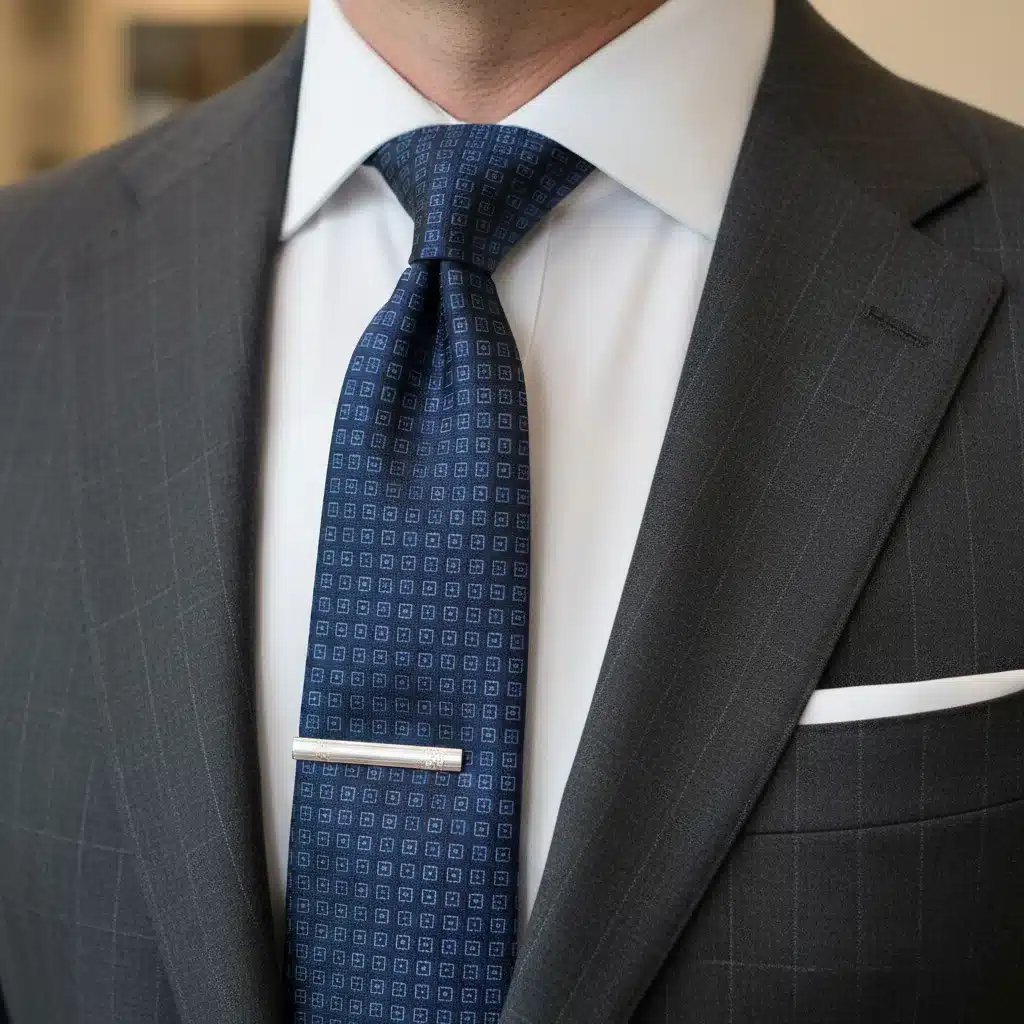
For Men: The Business Professional Standard
- Suit: A matching suit (two-piece or three-piece) in conservative colors like navy, charcoal gray, or black. Pinstripes or subtle patterns are acceptable.
- Shirt: A crisp, long-sleeved dress shirt in white or light blue.
- Tie: A silk tie with a conservative pattern or solid color. The tie should complement the suit and shirt.
- Shoes: Polished leather dress shoes (oxfords or brogues) in black or dark brown.
- Accessories: A leather belt matching your shoes, conservative watch, and cufflinks if appropriate.
For Women: The Business Professional Standard
- Suit: A tailored pantsuit or skirt suit in conservative colors (navy, charcoal gray, black). The skirt should be knee-length or slightly below.
- Blouse/Top: A professional blouse or shell top that complements the suit. Colors can be white, pastels, or subtle patterns.
- Dress: A tailored sheath dress worn with a matching blazer.
- Shoes: Closed-toe heels (moderate height) or polished flats in black, navy, or nude.
- Accessories: Minimal and elegant jewelry, a professional handbag, and potentially a silk scarf.
In business professional settings, every detail matters. Hair should be neatly styled, and grooming should be impeccable. The goal is to present a cohesive, authoritative, and polished image that leaves no room for doubt about your seriousness and capability. This is the pinnacle of formal Modern Professional Dress Codes.
Embracing Smart Casual: The Art of Elevated Comfort
Smart casual is a relatively newer addition to the lexicon of Modern Professional Dress Codes, sitting somewhere between business casual and purely casual. It’s often seen in creative industries, less formal office environments, or for social business events. The trick with smart casual is to look relaxed yet refined, comfortable yet chic. It allows for more personal expression while maintaining a professional edge.
For Men: Navigating Smart Casual
- Tops: Stylish button-down shirts, well-fitted polo shirts, fine-gauge sweaters, or even a high-quality, plain t-shirt under a blazer.
- Bottoms: Chinos, dark-wash, well-fitting jeans (without rips or heavy distressing), or tailored trousers.
- Outerwear: A blazer, sport coat, stylish bomber jacket, or a clean, smart overshirt.
- Shoes: Loafers, stylish sneakers (clean and minimalist), desert boots, or smart leather shoes.
- Accessories: A stylish watch, a leather bracelet, or a quality belt.
For Women: Navigating Smart Casual
- Tops: Fashionable blouses, stylish knit tops, elegant t-shirts (e.g., silk or well-draped cotton), or sweaters.
- Bottoms: Tailored trousers, chic jeans (dark-wash, well-fitting, no rips), stylish skirts (midi or maxi lengths are popular), or fashionable dresses.
- Outerwear: A stylish blazer, a leather jacket, a trench coat, or a chic cardigan.
- Shoes: Stylish flats, fashionable sneakers, ankle boots, low heels, or elegant sandals.
- Accessories: Statement jewelry, a fashionable handbag, or a scarf.
Smart casual is about curating a look that feels effortless but is clearly intentional. It’s an opportunity to showcase your personal style while still respecting the professional context. Quality fabrics, good fit, and attention to detail are paramount. This flexible category within Modern Professional Dress Codes allows for more personality.
Remote Work and Dress Codes: The New Frontier
The widespread adoption of remote work has introduced another layer of complexity to Modern Professional Dress Codes. While the temptation might be to stay in pajamas, maintaining a professional appearance, even for virtual meetings, is crucial for several reasons:
- Psychological Impact: Dressing professionally can help you mentally transition into work mode, boosting focus and productivity.
- Perception: You never know when you might have an impromptu video call with a client or senior leadership. Being prepared ensures you always present your best self.
- Team Cohesion: When everyone makes an effort, it reinforces a sense of team and shared purpose, even when physically apart.
For remote work, aim for a polished top half that would be appropriate for business casual or smart casual, depending on your company culture and the nature of the meeting. The bottom half can be more relaxed, but always be mindful in case you need to stand up or move around. This thoughtful approach to virtual attire is an essential component of contemporary Modern Professional Dress Codes.

Common Dress Code Pitfalls and How to Avoid Them
Even with clear definitions, mistakes can happen. Here are some common pitfalls related to Modern Professional Dress Codes and advice on how to avoid them:
- Ignoring Company Culture: The most critical rule is to observe and understand your specific company’s culture. When starting a new job, err on the side of formality and gradually adjust as you learn the ropes.
- Poor Fit: Ill-fitting clothes, whether too tight or too baggy, instantly undermine a professional look. Invest in tailoring if necessary.
- Wrinkled or Stained Clothes: No matter how expensive an item, if it’s wrinkled, stained, or damaged, it looks unprofessional. Always present clean, pressed garments.
- Overly Revealing Attire: Regardless of the dress code, professional environments generally require modesty. Avoid plunging necklines, overly short skirts, or sheer fabrics.
- Strong Scents: Perfumes or colognes should be used sparingly or avoided entirely, as they can be distracting or cause allergies for others.
- Casual Footwear in Formal Settings: Even if your outfit is perfect, a pair of worn-out sneakers or flip-flops can ruin the entire impression in a business casual or professional setting.
- Neglecting Grooming: A sharp outfit can be undone by unkempt hair, chipped nail polish, or a messy beard. Personal grooming is an integral part of professional presentation.
- Too Many Accessories: While accessories can enhance an outfit, too many can be distracting. Less is often more in professional settings.
Building a Versatile Professional Wardrobe for 2026
To confidently navigate the various Modern Professional Dress Codes, consider building a versatile wardrobe with key pieces that can be mixed and matched. Focus on quality over quantity and choose classic items that can be dressed up or down. Here’s a basic checklist:
For All Genders:
- Tailored Blazer/Sport Coat: A neutral color (navy, charcoal, black) is incredibly versatile.
- Crisp Button-Down Shirts: White and light blue are essential.
- Well-Fitting Trousers/Chinos: In neutral colors like khaki, navy, grey, and black.
- Quality Dark-Wash Jeans: If your workplace permits smart casual.
- Professional Shoes: At least one pair of dress shoes and one pair of polished casual shoes.
For Women:
- Versatile Blouses/Tops: A mix of solid colors and subtle patterns.
- Professional Skirts/Dresses: A tailored pencil skirt and a sheath dress.
- Cardigans/Sweaters: Fine-gauge knits for layering.
For Men:
- Polo Shirts: Well-fitted, in solid colors.
- Fine-Gauge Sweaters: V-neck or crew neck for layering over shirts.
- Ties: A few conservative options for business professional.
Investing in timeless pieces and ensuring they are well-maintained will save you time and stress, allowing you to focus on your work rather than your wardrobe. This strategic approach is fundamental to mastering Modern Professional Dress Codes.
The Future of Professional Attire: Beyond 2026
As we look beyond 2026, it’s clear that Modern Professional Dress Codes will continue to evolve. The emphasis on individual expression, sustainability, and comfort is likely to grow. However, the core principles of professionalism, respect, and making a positive impression will remain constant. Future trends might include:
- Sustainable Fashion: A greater focus on ethically sourced, environmentally friendly professional wear.
- Gender-Neutral Options: A continued move towards more inclusive and less gender-specific professional clothing lines.
- Performance Fabrics: Professional attire incorporating more athletic-wear technology for comfort and wrinkle resistance.
- Personal Branding: An increased opportunity for individuals to express their personal brand through their attire, within professional boundaries.
Staying informed and adaptable will be key. Regularly assess your workplace culture, observe what successful colleagues wear, and don’t be afraid to ask HR or a mentor for clarification if you’re unsure. The goal isn’t to follow rigid rules blindly, but to understand the underlying intentions of each dress code and apply them thoughtfully.
Conclusion: Dress for Success in the Modern Professional World
Navigating the complex world of Modern Professional Dress Codes in 2026 requires more than just knowing the rules; it demands an understanding of context, culture, and personal branding. Whether you’re aiming for the relaxed polish of business casual, the refined elegance of business professional, or the stylish comfort of smart casual, the principles of neatness, fit, and appropriateness are your guiding stars.
By investing in a versatile wardrobe, paying attention to grooming, and being mindful of your environment, you can ensure that your attire always works in your favor, enhancing your credibility and confidence. Remember, your clothing is a powerful non-verbal communication tool. Use this guide to ensure it’s always sending the right message, helping you to achieve your professional aspirations in the dynamic landscape of the modern workplace.