Master Winter Layering: 3 Techniques for 10+ Stylish Outfits
Anúncios
Master Winter Layering: 3 Techniques for 10+ Stylish Outfits for Winter 2026
As the crisp air of Winter 2026 approaches, the perennial fashion dilemma resurfaces: how to stay warm without sacrificing style? The answer lies in mastering the art of winter layering techniques. Far from being a mere practical necessity, layering is a sophisticated strategy that allows for incredible versatility, comfort, and, most importantly, impeccable style throughout the colder months. This comprehensive guide will delve into three essential winter layering techniques, demonstrating how you can transform a handful of staple pieces into over 10 distinct, stylish, and supremely warm outfits. Get ready to elevate your winter wardrobe and conquer the cold with confidence and flair.
Anúncios
The beauty of effective winter layering techniques is its adaptability. Whether you’re facing a mild winter day or a harsh blizzard, the right combination of layers ensures you’re prepared. It’s not just about piling on clothes; it’s about strategic selection of fabrics, textures, and silhouettes to create a cohesive and comfortable ensemble. By understanding the principles behind these techniques, you’ll not only stay cozy but also project an image of effortless sophistication.
The Fundamental Principles of Winter Layering Techniques
Before we dive into specific winter layering techniques, let’s establish the foundational principles that govern successful cold-weather dressing. Think of it as building a house – a strong foundation is crucial for a durable and beautiful structure. Similarly, a well-thought-out layering strategy starts with understanding the purpose of each layer.
Anúncios
1. The Base Layer: Your Second Skin
The base layer is the closest to your skin and its primary function is to manage moisture. When you’re active, your body produces sweat, which can make you feel cold if it’s not wicked away. Natural fibers like merino wool or synthetic materials such as polyester blends are excellent choices for base layers because they are breathable and moisture-wicking. Avoid cotton for your base layer in very cold conditions, as it absorbs moisture and dries slowly, potentially making you colder.
2. The Mid-Layer: The Warmth Provider
The mid-layer is your insulation powerhouse. Its job is to trap warm air close to your body, providing the bulk of your warmth. This is where you can experiment with various textures and weights. Chunky knit sweaters, fleece jackets, cardigans, and even lightweight down vests fall into this category. The thicker and denser the mid-layer, the more warmth it will provide. Consider materials like wool, cashmere, fleece, or down for optimal insulation.
3. The Outer Layer: Your Shield Against the Elements
The outer layer, or shell, is your protection against wind, rain, and snow. Its main function is to keep the elements out while allowing moisture from the inner layers to escape. Depending on the weather conditions, your outer layer could be a stylish wool coat, a waterproof and windproof parka, or a sleek trench coat. Look for features like sealed seams, adjustable hoods, and durable water-repellent (DWR) finishes for maximum protection. The right outer layer completes your look and offers the final barrier against the winter chill.
Understanding these three core layers is the bedrock of effective winter layering techniques. Now, let’s explore how to put these principles into practice to create stunning outfits.
Technique 1: The Classic & Cozy Layering
This technique focuses on maximizing warmth and comfort without sacrificing elegance. It’s perfect for everyday wear, from office commutes to casual weekend outings. The key is to blend classic pieces with cozy textures.
Outfit Combinations:
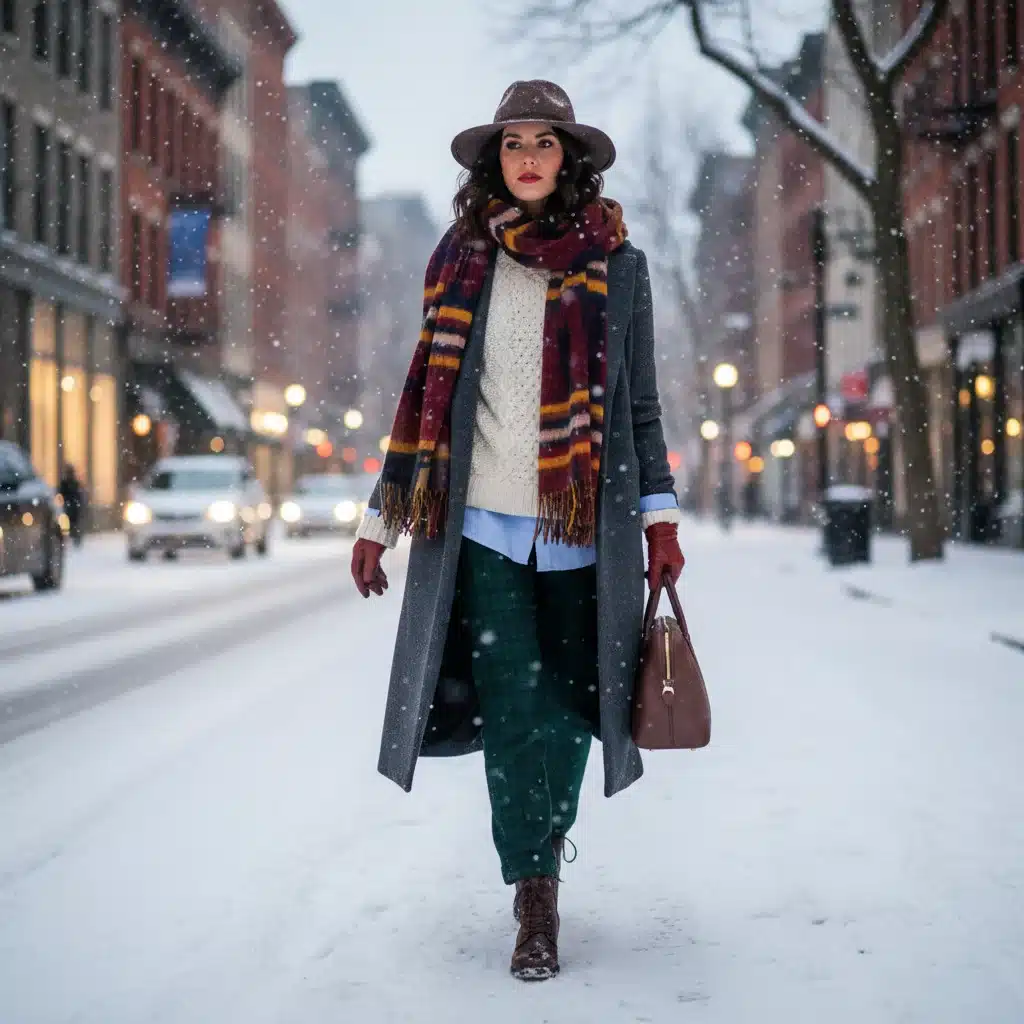
- Sophisticated Office Look: Start with a merino wool base layer top. Add a fine-gauge cashmere V-neck sweater as your mid-layer. For a touch of professionalism, layer a tailored wool blazer over the sweater. Finish with a stylish wool trench coat, tailored trousers, and leather ankle boots. Accessorize with a delicate silk scarf peeking from the blazer.
- Weekend Brunch Ready: Begin with a long-sleeve thermal top. Layer a chunky knit turtleneck sweater in a complementary color. Add an oversized denim jacket for a casual edge, then top it off with a longline puffer coat. Pair with dark wash jeans and sturdy waterproof boots. A colorful knit beanie adds a playful touch.
- Elegant Evening Out: A silk camisole or a thin thermal top can be your base. Layer a fitted, ribbed knit dress as your mid-layer. Over this, drape an elegant oversized wool cardigan. Complete the look with a sophisticated full-length wool coat, opaque tights, and heeled boots. A statement necklace adds sparkle.
- Casual Everyday Comfort: Your go-to long-sleeve tee serves as the base. Add a fleece-lined hoodie for warmth. Over this, wear a practical yet stylish quilted vest. Finish with a waterproof parka for maximum protection. Pair with leggings or comfortable joggers and insulated sneakers.
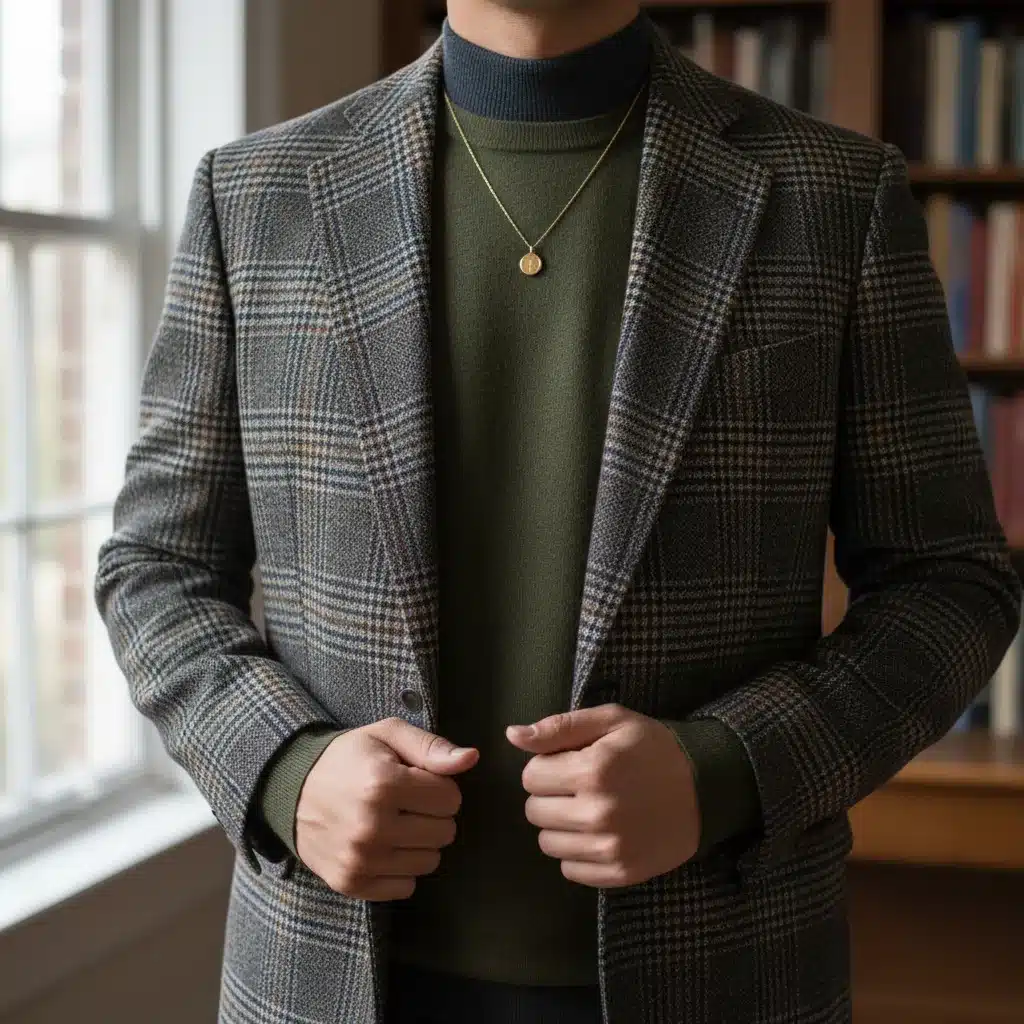
When employing these winter layering techniques, remember to play with textures. A smooth silk camisole under a ribbed knit, or a soft cashmere sweater beneath a structured blazer, creates visual interest and depth. Don’t be afraid to mix and match different materials to achieve a dynamic look. The “Classic & Cozy” approach is all about feeling good and looking polished, making it a cornerstone of your Winter 2026 wardrobe.
Technique 2: The Monochromatic & Minimalist Layering
For those who prefer a sleek, uncluttered aesthetic, monochromatic layering is a game-changer. This technique involves building an outfit using various shades and textures of a single color. It creates a sophisticated, elongated silhouette and allows for subtle plays of light and shadow, making you look effortlessly chic. This is one of the most effective winter layering techniques for a refined appearance.
Outfit Combinations:
- All-Black Power Look: Start with a black thermal top. Layer a black cashmere turtleneck sweater. Over this, add a black leather moto jacket for an edgy touch. Complete with a luxurious black wool coat, black skinny jeans or tailored trousers, and black leather combat boots. Accessorize with minimalistic silver jewelry.
- Creamy Winter White Ensemble: A cream-colored silk camisole forms the base. Layer a chunky cream cable-knit sweater. Add a long, open-front cream cardigan for extra warmth and drape. Top with an elegant cream teddy coat or a structured cream wool coat. Pair with wide-leg cream trousers and off-white ankle boots.
- Deep Forest Green Sophistication: Begin with a dark green long-sleeve tee. Layer a bottle green merino wool sweater. Add a dark green corduroy shirt, worn open or buttoned. Finish with a deep forest green parka or an olive green utility jacket. Pair with black leggings and sturdy walking boots.
- Warm Tonal Browns: A light brown thermal top is your base. Layer a camel-colored turtleneck sweater. Add a chocolate brown oversized blazer. Top with a long, tan wool coat. Pair with dark brown trousers and brown leather loafers.
The beauty of monochromatic winter layering techniques lies in its simplicity and impact. By sticking to one color family, you create a cohesive and polished look that requires minimal effort. The different textures within the same color add visual depth, preventing the outfit from looking flat. This approach is particularly effective for Winter 2026, where understated elegance is a key trend. Remember to vary the shades slightly within your chosen color to create subtle contrasts and make the outfit more dynamic. For instance, pairing a light grey sweater with a charcoal coat and medium grey trousers adds interest without breaking the monochromatic rule. This method also makes it incredibly easy to mix and match pieces, expanding your outfit possibilities without needing a vast wardrobe.
Technique 3: The Pattern Play & Texture Mix Layering
For the more adventurous fashionista, this technique is about embracing patterns and mixing different textures to create visually rich and dynamic outfits. It requires a bit more thought but can result in truly unique and personal styles. The goal is to create harmony through thoughtful contrasts, making your winter layering techniques stand out.
Outfit Combinations:
- Heritage Chic: Base with a plain white thermal top. Layer a fair isle knit sweater. Over this, add a tweed blazer with elbow patches. Finish with a classic plaid wool coat. Pair with dark wash jeans and Chelsea boots. A solid-colored beanie in a rich jewel tone can complement the patterns.
- Bohemian Rhapsody: Start with a long-sleeve striped tee. Layer a long, flowing floral print dress (yes, dresses can be mid-layers!). Add a faux fur vest for texture and warmth. Top with a suede or corduroy jacket. Pair with thick tights and knee-high boots. Accessorize with layered necklaces and a wide-brimmed hat.
- Urban Edge: Begin with a graphic print long-sleeve tee. Layer a solid-colored hoodie. Add an open flannel shirt with a bold check pattern. Finish with a sleek, dark-colored puffer jacket. Pair with black cargo pants and high-top sneakers. A minimalist beanie completes the urban vibe.
- Sophisticated Contrast: Your base is a plain black turtleneck. Layer a striped knit sweater (e.g., Breton stripes). Over this, wear a faux shearling jacket. Top with a long, solid-colored wool coat in a contrasting yet harmonious color (e.g., a camel coat over black and white stripes). Pair with tailored black trousers and patent leather boots.
When mixing patterns and textures using these winter layering techniques, the key is balance. If you have a bold pattern on one layer, consider a more subdued pattern or a solid color for the adjacent layer. Also, ensure the textures complement each other – a rough tweed might pair beautifully with smooth leather, while delicate silk could contrast elegantly with chunky knit. Don’t be afraid to experiment! Lay out your potential outfit combinations before wearing them to see how the patterns and textures interact. This technique allows for incredible personal expression and ensures your Winter 2026 wardrobe is anything but boring.
Essential Accessories for Enhanced Winter Layering Techniques
No winter outfit is complete without the right accessories. They not only add warmth but also serve as crucial style elements that can elevate your layered looks. Integrating accessories thoughtfully is an integral part of mastering winter layering techniques.
Scarves: The Versatile Essential
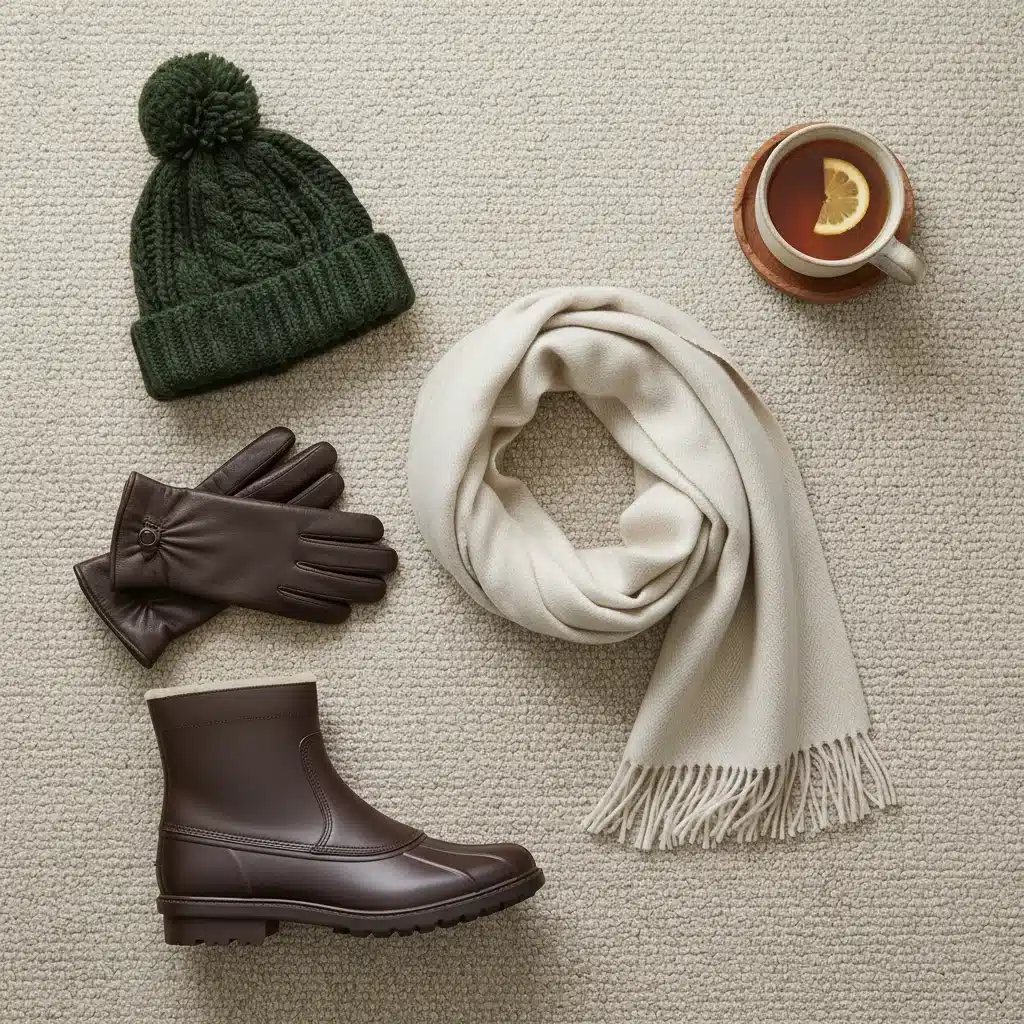
A good scarf is a winter warrior. From chunky knit infinity scarves to elegant cashmere wraps, they provide crucial neck warmth and can add a pop of color or texture to any outfit. Experiment with different tying techniques to change your look daily.
Hats: Functional & Fashionable
Whether it’s a cozy beanie, a stylish beret, or a sophisticated fedora, hats are essential for retaining body heat. Choose hats that complement your face shape and overall outfit aesthetic. They are a fantastic way to introduce another texture or color into your layered ensemble.
Gloves/Mittens: Hand Warmers with Style
Protecting your hands from the cold is vital. Opt for insulated leather gloves for a polished look, or cozy wool mittens for a more casual vibe. Touchscreen-compatible options are a modern convenience.
Socks & Tights: The Unseen Heroes
Don’t underestimate the power of warm socks and tights. Wool or thermal socks are a must for keeping your feet toasty in boots. Opaque tights or fleece-lined leggings can add an extra layer of warmth under skirts, dresses, or even trousers.
Footwear: The Foundation of Warmth
Invest in waterproof, insulated boots with good traction. Ankle boots, knee-high boots, or even stylish snow boots can be the perfect finishing touch to your layered outfit, ensuring your feet stay dry and warm no matter the weather.
By thoughtfully incorporating these accessories, you not only enhance the functionality of your winter layering techniques but also add significant style points to your Winter 2026 wardrobe. They are the details that transform a good outfit into a great one.
Advanced Tips for Mastering Winter Layering Techniques
Beyond the core techniques, here are some advanced tips to truly perfect your winter layering strategy for Winter 2026:
- Focus on Fit: Each layer should fit comfortably without being too tight or too loose. A snug base layer allows for efficient moisture-wicking, while a slightly looser mid-layer traps air for insulation. Your outer layer should accommodate all inner layers without feeling bulky.
- Consider Proportions: When layering, pay attention to how different lengths and volumes interact. A long cardigan over a shorter top, or a cropped jacket over a longer tunic, can create interesting and flattering silhouettes.
- Fabric Blending: Don’t limit yourself to single-fiber garments. Many modern pieces blend natural and synthetic fibers to offer the best of both worlds – warmth, breathability, and durability.
- Ventilation is Key: Zippers, buttons, and snaps aren’t just for decoration. They allow you to easily adjust your body temperature throughout the day. Opening a zipper on your mid-layer or outer layer can prevent overheating when moving indoors or in fluctuating temperatures. This adaptability is a hallmark of effective winter layering techniques.
- Color Palette Cohesion: Even when mixing patterns or aiming for a vibrant look, having a foundational color palette helps. This makes it easier to mix and match pieces and ensures your layered outfits always look intentional and harmonious.
- Invest in Quality Staples: While you don’t need an endless wardrobe, investing in high-quality base, mid, and outer layers made from durable, warm materials will pay off in the long run. These pieces will form the backbone of your winter layering techniques for years to come.
- Don’t Forget the “Heat Zones”: Your head, neck, and extremities are where you lose the most heat. Prioritizing warmth in these areas with hats, scarves, gloves, and warm socks is crucial for overall comfort, regardless of how many layers you have on your torso.
By integrating these advanced tips into your routine, your winter layering techniques will become second nature, allowing you to create effortlessly stylish and comfortable outfits for any winter scenario in 2026 and beyond.
Winter 2026 Trends to Incorporate into Your Layering
As we look ahead to Winter 2026, certain trends are emerging that can be beautifully integrated into your winter layering techniques. Staying current with fashion while remaining warm and comfortable is the ultimate goal.
- Oversized Silhouettes: The trend of oversized coats, blazers, and knitwear continues. These pieces are ideal for layering, as they comfortably fit over multiple inner layers without feeling restrictive. Embrace the relaxed yet chic vibe.
- Rich Textures: Expect to see a strong emphasis on luxurious textures like faux fur, shearling, velvet, and chunky bouclé knits. Incorporate these into your mid or outer layers to add visual interest and tactile appeal.
- Earthy Tones and Jewel Tones: While classic neutrals remain timeless, Winter 2026 will see a resurgence of deep earthy browns, olive greens, and rich jewel tones like sapphire blue and emerald green. These colors work wonderfully in monochromatic layered looks or as accent pieces.
- Heritage Patterns: Classic patterns such as plaid, houndstooth, and argyle will be prominent. These are perfect for adding a touch of traditional elegance to your layered outfits, especially in blazers, scarves, and coats.
- Sustainable Fabrics: A growing focus on sustainability means an increased demand for ethically sourced wool, recycled synthetics, and organic cotton. Choosing these materials for your base and mid-layers not only benefits the planet but often provides superior comfort and performance.
- Utility-Inspired Details: Functional elements like large pockets, drawstrings, and durable hardware are making their way into more fashionable winter wear. These details can add a cool, practical edge to your outer layers.
By keeping these Winter 2026 trends in mind, you can update your wardrobe strategically, ensuring your winter layering techniques are not only effective but also fashion-forward. Remember, fashion is about personal expression, so adapt these trends to suit your unique style.
Conclusion: Conquer Winter 2026 with Confident Layering
Mastering winter layering techniques is more than just a practical skill; it’s an art form that transforms your cold-weather wardrobe into a canvas of endless possibilities. By understanding the purpose of each layer – base, mid, and outer – and applying the principles of classic & cozy, monochromatic & minimalist, or pattern play & texture mix, you can create over 10 distinct and stylish outfits for Winter 2026. From functional warmth to undeniable elegance, layering empowers you to navigate any winter day with confidence and comfort.
Remember to invest in quality pieces, pay attention to fit and proportion, and embrace the power of accessories. Whether you’re bundling up for a snowy adventure or stepping out for a chic urban evening, these winter layering techniques will ensure you stay warm, look fabulous, and express your unique style. So, go forth and layer with intention, making Winter 2026 your most stylish and comfortable season yet!