The Art of Layering: 7 Expert Tips for Stylish and Functional Outfits in Winter 2026
Anúncios
The Art of Layering: 7 Expert Tips for Stylish and Functional Outfits in Winter 2026
Anúncios
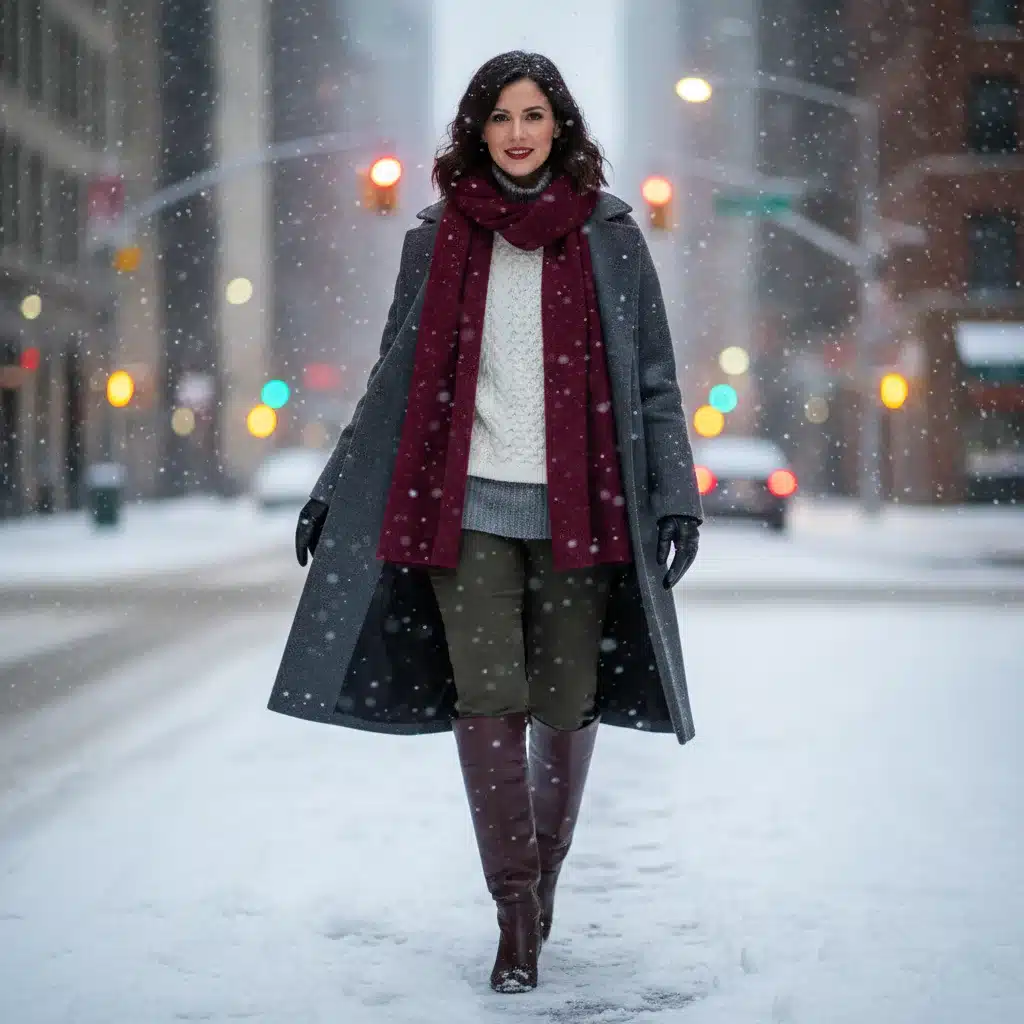
As the chill of winter 2026 begins to set in, the age-old dilemma resurfaces: how do you stay warm without sacrificing your style? The answer, my friends, lies in mastering the art of winter layering tips. Layering isn’t just about piling on clothes; it’s a strategic approach to dressing that allows you to adapt to fluctuating temperatures, express your personal style, and remain comfortable from the brisk morning commute to a cozy evening gathering. This comprehensive guide will equip you with 7 expert winter layering tips to ensure your outfits are both stylish and functional throughout the colder months.
Many people view layering as a necessary evil, often leading to bulky, unflattering ensembles. However, with the right techniques and a keen eye for proportion and texture, layering can elevate your winter wardrobe to new heights. Imagine stepping out in an outfit that not only keeps you toasty warm but also looks effortlessly chic and sophisticated. That’s the power of effective winter layering. We’ll delve into the foundational principles, explore key pieces, and uncover styling secrets that will transform your approach to cold-weather dressing. Get ready to embrace the season with confidence and flair!
1. Understand the Three-Layer System: The Foundation of Winter Layering Tips
The cornerstone of successful winter layering tips is understanding the classic three-layer system: base, mid, and outer. Each layer serves a distinct purpose, working in harmony to keep you warm, dry, and comfortable. Neglecting any one of these layers can compromise the effectiveness of your entire outfit.
Anúncios
The Base Layer: Your Second Skin
The base layer is the first line of defense against the cold and arguably the most crucial. Its primary function is to wick moisture (sweat) away from your skin, keeping you dry and preventing the chilling effect that can occur when perspiration evaporates. Look for materials like merino wool, silk, or synthetic fabrics designed for athletic wear. Cotton, while comfortable, is a poor choice for a base layer in winter as it absorbs moisture and takes a long time to dry, leading to a cold, clammy feeling.
- Merino Wool: Excellent for warmth, breathability, and odor resistance. It’s soft against the skin and regulates body temperature effectively.
- Silk: Lightweight, incredibly soft, and offers good warmth for its thinness. Ideal for those who prefer a less bulky feel.
- Synthetics (e.g., polyester, polypropylene): Often more affordable, durable, and very effective at wicking moisture. Great for high-activity days.
When choosing a base layer, opt for a snug fit. It should feel like a second skin without being restrictive. This close contact allows it to efficiently draw moisture away from your body. Think long-sleeved tops and leggings or long johns as your go-to base pieces.
The Mid Layer: Insulation and Warmth
The mid layer is all about insulation. Its job is to trap body heat, providing the bulk of your warmth. This is where you can introduce a lot of texture and visual interest into your outfit. Common mid-layer materials include fleece, down, wool, and cashmere.
- Fleece: Lightweight, warm, and dries quickly. Perfect for active wear or casual warmth.
- Wool (e.g., chunky knit sweaters, cardigans): Classic choice for excellent insulation and breathability. Can be dressed up or down.
- Cashmere: Luxurious, incredibly soft, and exceptionally warm for its weight. A premium option for sophisticated warmth.
- Down or Synthetic Puffy Vests/Jackets: Provide significant warmth without excessive bulk, especially useful when you need core insulation.
The fit of your mid layer can be more relaxed than your base layer, allowing for air pockets that further aid insulation. However, avoid anything too baggy, as it can create unnecessary bulk under your outer layer. This is where many of your stylish winter layering tips will come into play, as you can mix and match different textures and colors.
The Outer Layer: Protection from the Elements
The outer layer, or shell, is your shield against wind, snow, and rain. It should be durable, weather-resistant, and ideally waterproof or water-repellent. This layer protects your inner layers from getting wet, which would compromise their insulating properties.
- Waterproof/Breathable Jackets: Essential for wet and windy conditions. Look for Gore-Tex or similar technologies.
- Insulated Winter Coats: Combine a waterproof shell with built-in insulation (down or synthetic fill) for maximum warmth in extreme cold.
- Wool or Cashmere Coats: Stylish options for drier, cold weather. While not waterproof, they offer excellent warmth and a polished look.
Your outer layer should be roomy enough to accommodate your base and mid layers comfortably without feeling tight or restricting movement. Investing in a high-quality outer layer is one of the most important winter layering tips, as it will be your primary defense against harsh weather.
2. Play with Textures and Fabrics for Visual Interest
One of the secrets to stylish winter layering tips is to avoid looking like a shapeless bundle. This is achieved by strategically incorporating different textures and fabrics. A monochromatic outfit can be incredibly chic when composed of varied textures, adding depth and visual interest.
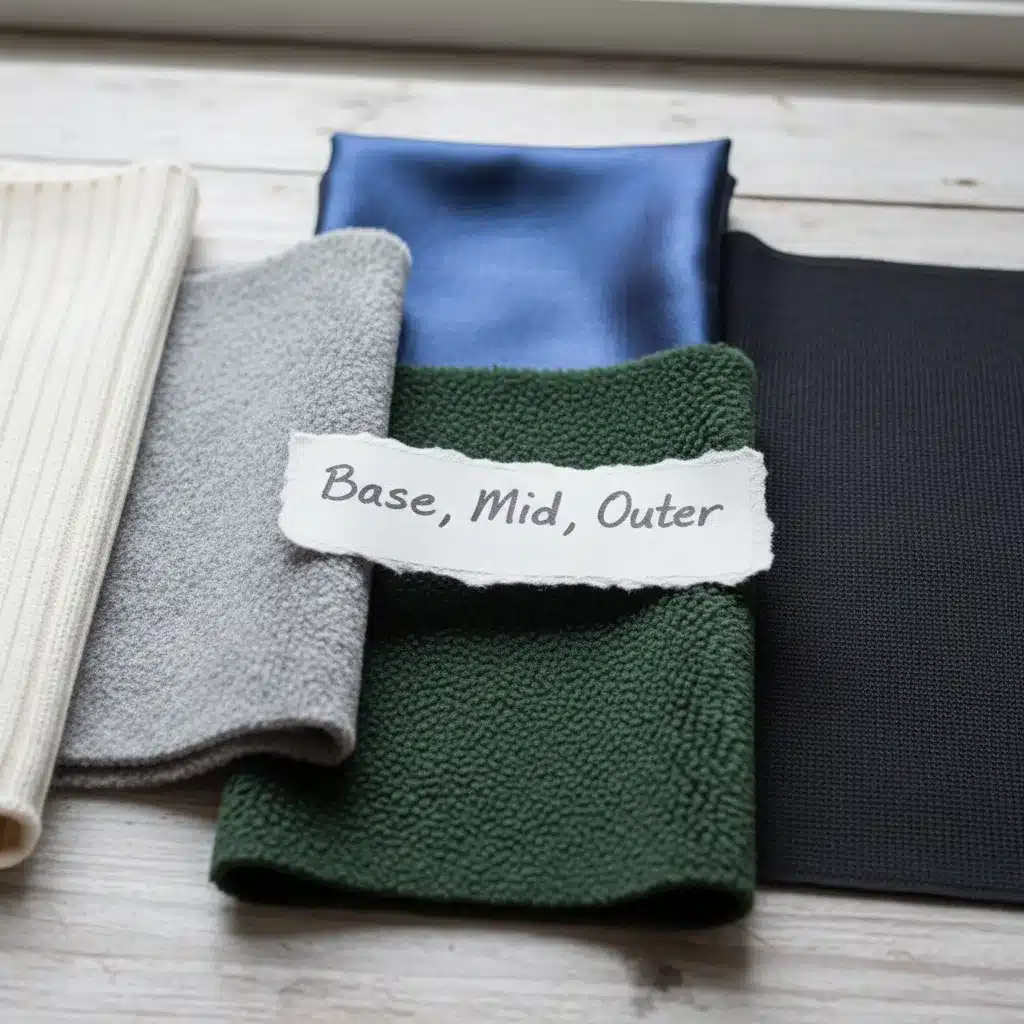
Think about combining a smooth silk base layer with a chunky knit merino wool sweater, topped with a structured wool blend coat. The contrast in textures creates a dynamic and sophisticated look. Don’t be afraid to mix and match: a sleek leather skirt with a soft cashmere sweater and a faux fur vest can create an incredibly luxurious and warm ensemble. The key is to ensure that each texture complements the others rather than clashing.
Consider:
- Smooth vs. Textured: Pair a smooth turtleneck with a ribbed cardigan.
- Soft vs. Structured: Combine a soft cashmere scarf with a tailored wool coat.
- Matte vs. Shiny: A matte knit sweater with a subtly shimmering silk camisole underneath.
By consciously selecting fabrics with varying textures, you transform a practical necessity into a fashion statement. This is a fundamental aspect of truly understanding effective winter layering tips.
3. Focus on Fit and Proportion to Avoid Bulk
The biggest challenge with layering is often avoiding a bulky, unflattering silhouette. This is where understanding fit and proportion becomes paramount. The general rule of thumb is to start with thinner, more fitted layers and gradually move to thicker, looser ones.
Your base layer should be close to the body, as mentioned. Your mid-layer can be slightly more relaxed but should still allow your outer layer to fit comfortably over it. The outer layer is where you can afford the most room, but even then, an oversized coat that drowns your frame will detract from your overall look. Tailored pieces, even in heavier fabrics, can make a significant difference.
Consider these winter layering tips for proportion:
- Tuck It In: Tucking your base or even a thin mid-layer into high-waisted trousers or skirts can define your waist and create a more streamlined look.
- Belt It: A belt over a chunky knit sweater or even an open cardigan can cinch the waist, adding shape to an otherwise voluminous outfit.
- Varying Lengths: Layering pieces of different lengths (e.g., a long tunic-style shirt under a cropped sweater, topped with a mid-length coat) adds visual interest and prevents a blocky appearance.
- Sleeve Lengths: Experiment with different sleeve lengths. A long-sleeved base, a three-quarter sleeve mid-layer, and a full-sleeved coat can create a dynamic effect.
Paying attention to how each layer sits on your body and relates to the others is crucial for a polished, rather than puffy, layered look. These thoughtful adjustments are key to successful winter layering tips.
4. Strategic Use of Accessories: Scarves, Hats, and Gloves
Accessories are not just decorative; they are vital components of effective winter layering tips, offering both additional warmth and significant style points. Your extremities (head, neck, hands, and feet) are often the first to feel the cold, and keeping them well-insulated can make a huge difference in your overall comfort.
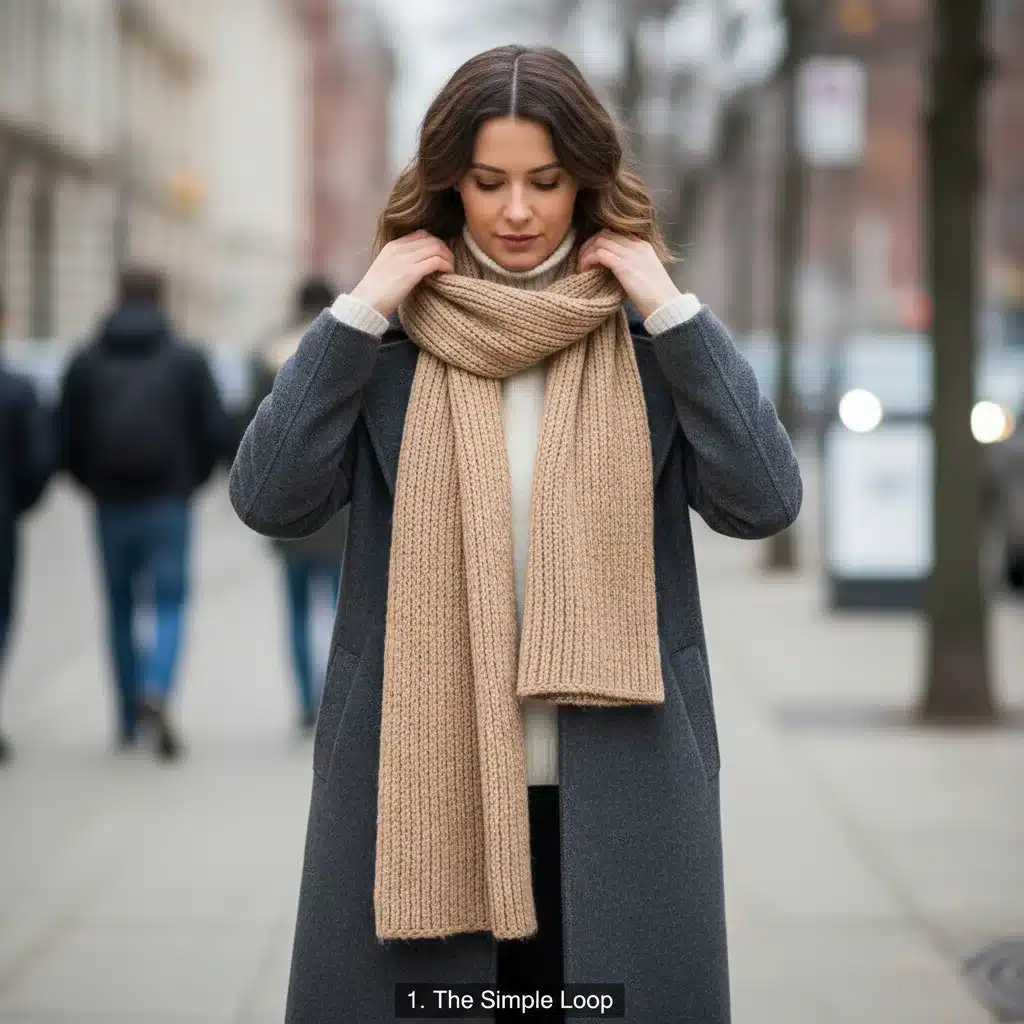
Scarves: Warmth and a Pop of Color
A good scarf can single-handedly elevate an outfit while providing essential neck warmth. Choose materials like cashmere, merino wool, or a thick knit for maximum insulation. Experiment with different tying techniques – a simple loop, a Parisian knot, or a draped style – to add variety to your look.
Hats: Head Protection and Style Statement
A significant amount of body heat is lost through the head, making a hat an indispensable winter accessory. From classic beanies and berets to stylish fedoras or trapper hats, choose one that complements your face shape and personal style. Look for wool, cashmere, or fleece-lined options for optimal warmth.
Gloves/Mittens: Hand Warmth and Elegance
Protecting your hands from the cold is crucial. Leather gloves lined with cashmere or wool offer a sophisticated touch, while chunky knit mittens provide maximum warmth for more casual outings. Fingerless gloves can be practical for tasks requiring dexterity.
Socks: The Unsung Heroes
Don’t underestimate the power of good socks! Wool or thermal socks are far superior to cotton for keeping your feet warm and dry. They are essential for preventing cold feet, which can make your entire body feel colder. Invest in several pairs of high-quality winter socks.
By integrating these accessories thoughtfully, you not only enhance your warmth but also add personality and polish to your layered ensembles, making them key winter layering tips.
5. Don’t Forget Your Legs: Layering Below the Waist
While much of the focus on winter layering tips tends to be on the upper body, keeping your legs warm is equally important for overall comfort. Cold legs can quickly make you feel chilled, even if your upper body is well-insulated.
For colder days, consider wearing thermal leggings or thin wool tights under your trousers or jeans. This adds a significant amount of warmth without adding much bulk. For skirts and dresses, opaque wool tights, fleece-lined leggings, or even layering two pairs of tights can make a huge difference. Don’t underestimate the power of insulated trousers or snow pants for extremely cold or active outdoor conditions.
Footwear also plays a critical role. Opt for insulated, waterproof boots that provide good traction. Ensure there’s enough room for a thick pair of wool socks without making your boots too tight, which can restrict circulation and actually make your feet colder.
6. Master Color Coordination and Contrast
Layering offers a fantastic opportunity to play with color, but it requires a strategic approach to avoid a chaotic look. The most effective winter layering tips for color involve either monochromatic harmony or strategic contrast.
Monochromatic Magic
Dressing in varying shades of the same color creates an incredibly sophisticated and elongated silhouette. For example, a cream base layer, a beige knit sweater, and a camel-colored coat create a harmonious and elegant look. This technique is particularly effective with neutral tones like grays, browns, navies, and blacks.
Strategic Contrast
If you prefer more vibrancy, use one or two layers to introduce a pop of color against a neutral backdrop. A vibrant emerald green sweater under a charcoal coat, or a bold red scarf against an all-black ensemble, can add excitement without overwhelming the outfit. Consider your skin tone and personal preferences when choosing accent colors.
Another approach is to use colors that are adjacent on the color wheel for a subtle, blended contrast, or complementary colors for a bolder statement. Remember that your accessories can also be used to introduce color without committing to a large garment. Thoughtful color choices are essential winter layering tips for a polished appearance.
7. Practice and Experiment: Find Your Signature Layering Style
Ultimately, the best winter layering tips are those that work for you. Fashion is personal, and what looks great on one person might not feel right for another. The key is to practice, experiment, and develop your own signature layering style.
Take some time to go through your wardrobe and identify pieces that can be layered. Try different combinations in front of a mirror. Pay attention to how different fabrics feel together, how colors interact, and how various lengths and fits create different silhouettes. Don’t be afraid to step outside your comfort zone and try new pairings.
Consider these experimental winter layering tips:
- Layer under dresses: A thin turtleneck or long-sleeved tee under a slip dress or a sleeveless wool dress can transform it into a winter-appropriate outfit.
- Open cardigans and vests: These are excellent mid-layers that add warmth and visual interest without being as restrictive as a full sweater.
- Blazers and jackets as mid-layers: A tailored blazer can be worn under a looser winter coat for an unexpectedly chic and warm look.
- Dress up casual pieces: Layer a dress shirt under a crewneck sweater, allowing the collar and cuffs to peek out for a smart casual vibe.
The more you experiment, the more confident you’ll become in your ability to create stylish and functional layered outfits. Keep an eye on fashion blogs and magazines for inspiration, but always adapt ideas to suit your personal taste and the practical demands of your local winter climate. Mastering these winter layering tips will ensure you’re both warm and fashionable.
Conclusion: Embrace Winter with Confidence and Style
Winter 2026 doesn’t have to mean sacrificing style for warmth. By diligently applying these 7 expert winter layering tips, you can transform your cold-weather wardrobe into a versatile collection of chic and comfortable ensembles. Remember the three-layer system, play with textures, prioritize fit, utilize accessories strategically, don’t neglect your legs, master color coordination, and most importantly, experiment to find what works best for you.
Layering is more than just a survival strategy against the cold; it’s an art form that allows for endless creative expression. With a little practice and these proven techniques, you’ll be able to navigate the chilliest days with confidence, looking effortlessly stylish and feeling perfectly cozy. So, go forth and layer, knowing you’re well-equipped to conquer the winter in impeccable fashion!