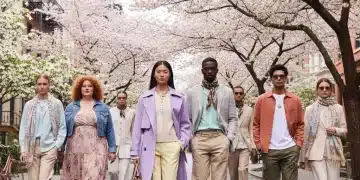
Building a Sustainable Base: 10 Eco-Friendly Fashion Essentials for 2026
In an era where environmental consciousness is no longer a niche concern but a global imperative, the fashion industry is undergoing a profound transformation. The days of fast fashion’s unchecked consumption are slowly but surely giving way to a more thoughtful, sustainable approach. As we look towards 2026, the concept of a truly eco-friendly fashion essentials wardrobe is not just a trend; it’s a necessity. This shift is driven by a growing understanding of fashion’s environmental footprint, from water consumption and chemical pollution to waste generation and labor practices. Consumers are increasingly demanding transparency, ethical production, and materials that don’t harm the planet. This article delves into the core components of building a sustainable wardrobe, highlighting 10 essential pieces that embody the future of ethical and eco-conscious style.
Anúncios
Building a sustainable wardrobe isn’t about sacrificing style; it’s about making smarter, more informed choices. It’s about investing in pieces that are made to last, crafted from materials that minimize environmental impact, and produced under fair labor conditions. It’s a holistic approach that considers the entire lifecycle of a garment, from raw material to end-of-life. The goal is to curate a collection of versatile, high-quality items that can be mixed and matched, reducing the need for constant new purchases and thereby lessening our collective environmental burden. This guide aims to equip you with the knowledge and inspiration to make that transition seamlessly, ensuring your style reflects your values.
The Rise of Sustainable Fashion: Why It Matters More Than Ever
The fashion industry is notoriously one of the most polluting sectors globally. From the massive water footprint of cotton cultivation to the chemical-intensive dyeing processes and the proliferation of synthetic fibers derived from fossil fuels, the environmental impact is staggering. Fast fashion models exacerbate these issues, encouraging disposable clothing habits that lead to overflowing landfills. However, a powerful counter-movement is gaining momentum: sustainable fashion. This movement champions practices that minimize environmental harm, conserve resources, ensure fair labor, and promote circularity. It’s about designing clothes with longevity in mind, utilizing innovative eco-friendly materials, and supporting transparent supply chains. Understanding these foundational principles is the first step towards embracing eco-friendly fashion essentials.
Anúncios
The urgency of adopting sustainable fashion practices cannot be overstated. Climate change, biodiversity loss, and resource depletion are critical global challenges, and the fashion industry has a significant role to play in addressing them. By choosing sustainable options, consumers become active participants in driving positive change. They signal to brands that ethical and environmental considerations are paramount, encouraging more companies to adopt responsible practices. This collective consumer power is a vital force in reshaping the industry towards a more sustainable future. Investing in eco-friendly fashion essentials is not just a personal choice; it’s a contribution to a healthier planet and a more equitable society.
Key Principles of an Eco-Friendly Wardrobe
Before diving into specific items, it’s crucial to understand the pillars upon which an eco-friendly wardrobe is built. These principles guide our choices and help us distinguish truly sustainable options from greenwashing.
- Durability and Quality: Investing in well-made garments that last longer reduces the need for frequent replacements, thus minimizing waste and resource consumption. Think ‘buy less, choose well, make it last.’
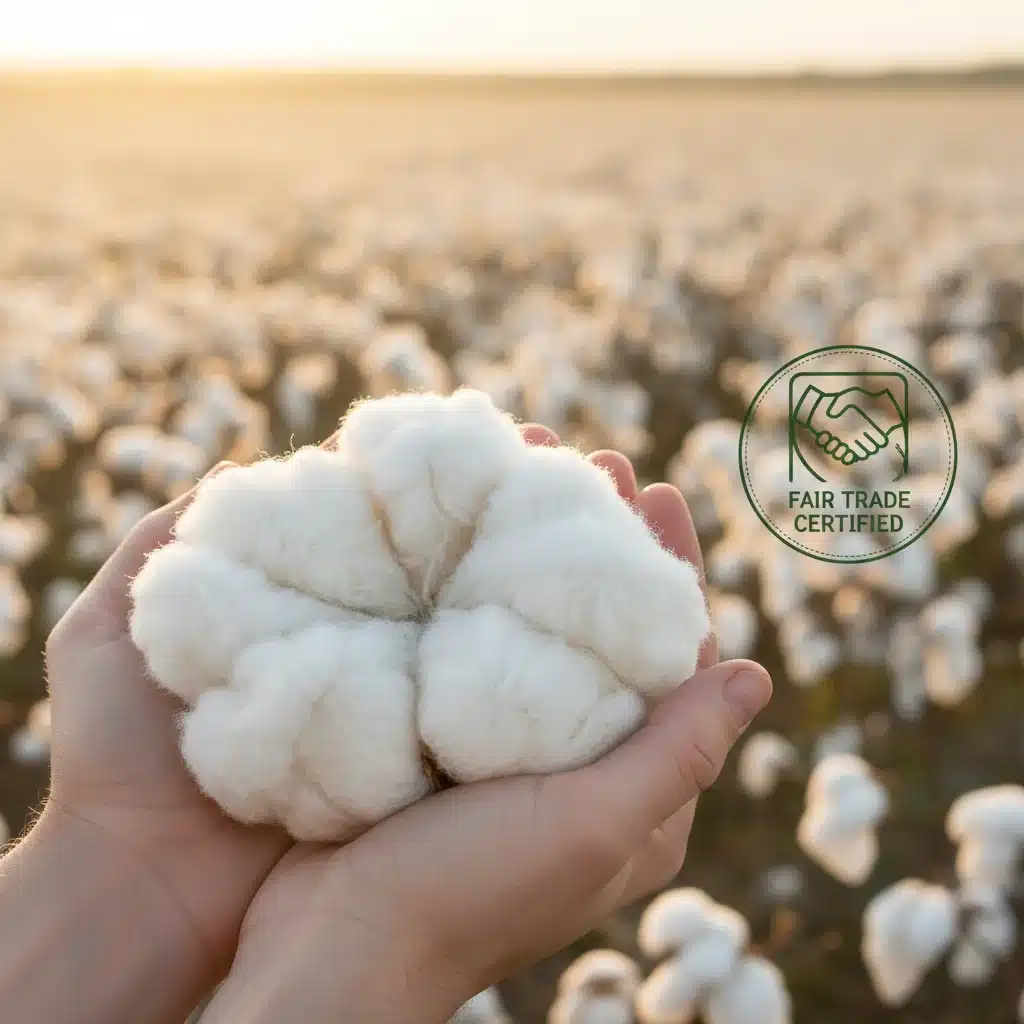
- Ethical Sourcing and Production: This involves ensuring fair wages, safe working conditions, and respect for human rights throughout the supply chain. Certifications like Fair Trade can be good indicators.
- Eco-Friendly Materials: Prioritizing materials with a lower environmental impact, such as organic cotton, linen, hemp, Tencel, recycled fabrics (polyester, nylon), and innovative bio-based materials.
- Reduced Waste: Supporting brands that implement circular design principles, minimize textile waste in manufacturing, and offer take-back or repair programs.
- Water and Chemical Conservation: Opting for brands that use water-efficient dyeing processes, avoid harmful chemicals, and manage wastewater responsibly.
- Versatility and Timelessness: Choosing classic, versatile pieces that can be styled in multiple ways and remain fashionable across seasons, reducing the temptation for fleeting trends.
Adhering to these principles transforms your shopping habits from impulsive purchases to thoughtful investments. Each decision becomes an opportunity to support brands aligned with your values and contribute to a more sustainable future for fashion. These principles are the bedrock for selecting truly eco-friendly fashion essentials that will serve you well for years to come.
1. The Organic Cotton T-Shirt: The Foundation of Comfort and Conscience
A high-quality organic cotton t-shirt is perhaps the most fundamental of all eco-friendly fashion essentials. Unlike conventional cotton, which is one of the most pesticide-intensive crops globally, organic cotton is grown without harmful synthetic pesticides, herbicides, or genetically modified organisms. This significantly reduces soil and water pollution, protects biodiversity, and ensures safer working conditions for farmers. An organic cotton tee is breathable, soft, durable, and incredibly versatile. It forms the perfect base for countless outfits, whether dressed up or down. Look for certifications like GOTS (Global Organic Textile Standard) to ensure the cotton is truly organic and processed ethically.
The beauty of the organic cotton t-shirt lies in its simplicity and inherent sustainability. It’s a garment that transcends trends, offering timeless appeal. When selecting one, consider its weight and cut – a slightly heavier knit will often last longer, and a classic crew neck or V-neck will offer maximum versatility. Beyond its environmental benefits, organic cotton often feels better against the skin, free from chemical residues. Investing in a few well-made organic cotton t-shirts in neutral colors like white, black, grey, and navy will provide a robust foundation for any sustainable wardrobe, proving that comfort and conscience can coexist beautifully. This staple is truly an indispensable part of any collection of eco-friendly fashion essentials.
2. Sustainable Denim Jeans: A Timeless Classic, Reimagined
Denim production is notoriously resource-intensive, particularly in its water usage and chemical treatments. However, sustainable denim brands are revolutionizing the industry by employing innovative techniques to significantly reduce their environmental footprint. When seeking eco-friendly fashion essentials, sustainable denim jeans are a must-have. Look for jeans made from organic cotton, recycled cotton, or a blend that includes innovative fibers like Tencel. Beyond materials, pay attention to the manufacturing process. Many sustainable brands use laser technology, ozone washing, and natural dyes to minimize water consumption and eliminate harmful chemicals. Repair programs and lifetime guarantees are also hallmarks of truly sustainable denim.
A well-fitting pair of sustainable denim jeans is a cornerstone of any wardrobe. It’s a versatile item that can be dressed up with a blazer or down with a casual tee. When choosing your sustainable denim, consider classic cuts that will remain stylish for years, such as a straight leg, slim fit, or a classic bootcut. The key is longevity and versatility. By opting for sustainable denim, you’re not just buying a pair of jeans; you’re investing in a product that respects both people and the planet. This commitment to conscious consumption makes sustainable denim a prime example of essential eco-friendly fashion essentials.
3. The Versatile Linen Shirt: Breathable and Biodegradable
Linen is an ancient fabric that has experienced a modern resurgence due to its inherent sustainability. Derived from the flax plant, linen requires significantly less water and pesticides than cotton to grow. It is also naturally durable, breathable, hypoallergenic, and fully biodegradable. A linen shirt, whether a classic button-down or a more relaxed tunic style, is an indispensable item among eco-friendly fashion essentials, particularly for warmer climates or as a layering piece. Its natural texture and effortless drape add a touch of understated elegance to any outfit.
The beauty of a linen shirt lies in its ability to transition seamlessly from casual to semi-formal settings. It can be worn open over a tank top, tucked into trousers, or tied at the waist over a skirt. While linen tends to wrinkle easily, this characteristic is often seen as part of its charm, adding to its relaxed, natural aesthetic. When choosing a linen shirt, look for 100% linen or blends with other natural fibers. Opt for natural dyes or undyed options for an even lower environmental footprint. Investing in a few linen shirts in neutral tones will provide you with comfortable, stylish, and highly sustainable options for years to come, making it a true staple in your collection of eco-friendly fashion essentials.
4. The Recycled Material Outerwear: Protecting You and the Planet
Outerwear often requires robust, water-resistant, and insulating materials, many of which traditionally rely on synthetic, petroleum-based fabrics. However, advancements in recycling technology have made recycled materials a leading choice for sustainable outerwear. Jackets and coats made from recycled polyester (rPET), recycled nylon, or innovative blends that incorporate post-consumer waste are becoming increasingly common and effective. These materials divert plastic bottles and other waste from landfills and oceans, transforming them into high-performance fabrics. A well-made piece of recycled material outerwear is a crucial addition to your list of eco-friendly fashion essentials.
When selecting recycled outerwear, look for brands that prioritize transparent supply chains and disclose the percentage of recycled content. Many sustainable brands also integrate other eco-friendly features, such as PFC-free (perfluorinated chemicals) water-repellent coatings and ethical insulation alternatives like recycled down or plant-based fillings. Whether it’s a waterproof rain jacket, a warm puffer coat, or a stylish trench, choosing outerwear made from recycled materials demonstrates a commitment to circular fashion and significantly reduces your environmental impact. This is a practical and impactful way to incorporate eco-friendly fashion essentials into your daily life.
5. Vegan Leather Accessories: Cruelty-Free and Innovative
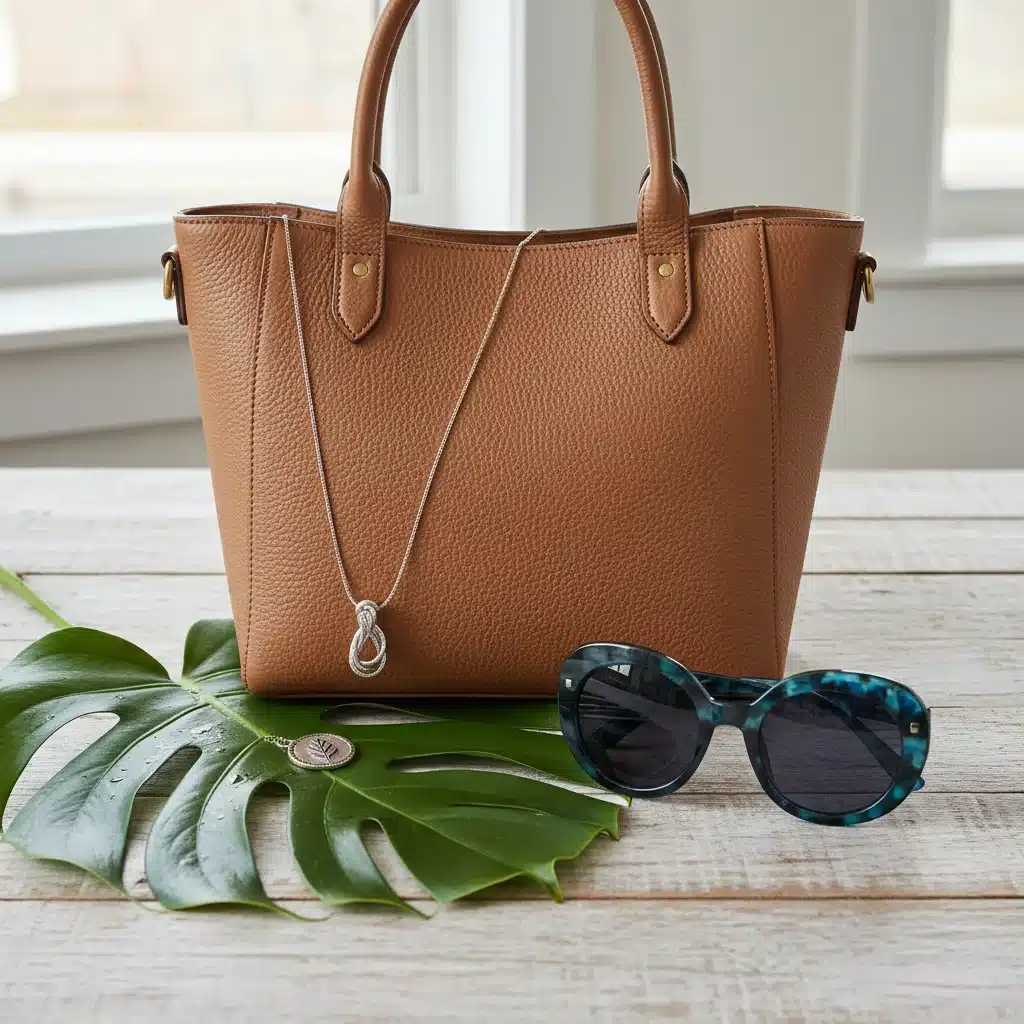
The environmental and ethical concerns surrounding traditional leather production are well-documented, from animal welfare issues to the chemical-intensive tanning process. Vegan leather has emerged as a compelling alternative, and its quality and sustainability have improved dramatically. While some early forms of vegan leather were petroleum-based (like PVC), the market is now flooded with innovative, more sustainable options. These include vegan leathers made from fruit waste (e.g., apple, pineapple), mushroom mycelium, cactus, cork, and recycled plastics. A stylish and durable vegan leather handbag, belt, or pair of shoes is a key component of modern eco-friendly fashion essentials.
When shopping for vegan leather accessories, it’s important to look beyond the ‘vegan’ label and investigate the specific materials used. Prioritize plant-based or recycled content over synthetic options that still rely heavily on fossil fuels. Many brands are now transparent about their material innovations, showcasing how they transform waste into luxurious and functional accessories. These cruelty-free alternatives offer the look and feel of traditional leather without the associated ethical and environmental costs. Investing in quality vegan leather accessories not only aligns with ethical values but also supports the development of groundbreaking sustainable materials, making them essential eco-friendly fashion essentials for a conscious consumer.
6. Upcycled or Second-Hand Statement Piece: Embrace Uniqueness and Reduce Waste
One of the most impactful ways to build an eco-friendly wardrobe is to embrace the circular economy through upcycling and second-hand shopping. An upcycled or second-hand statement piece is a unique and sustainable addition to your collection of eco-friendly fashion essentials. This could be a vintage blazer, a re-worked denim jacket, a hand-embroidered dress, or a unique piece found in a thrift store. By giving new life to existing garments, you divert waste from landfills, reduce the demand for new production, and minimize the associated environmental footprint.
The beauty of second-hand and upcycled fashion lies in its individuality. These pieces often carry a story and offer a distinct character that mass-produced items lack. They allow you to express your personal style in a truly unique way, making your wardrobe stand out. Shopping second-hand also often provides access to higher quality garments at a fraction of their original price, making sustainable fashion more accessible. Whether you’re hunting for treasures in a local thrift store, browsing online vintage shops, or supporting designers who specialize in upcycling, incorporating a few pre-loved items is a powerful statement of sustainability and a smart way to acquire truly unique eco-friendly fashion essentials.
7. Ethically Made Activewear: Performance Meets Planet
The activewear industry, traditionally reliant on synthetic performance fabrics, is also undergoing a sustainable revolution. Ethically made activewear is now a vital component of eco-friendly fashion essentials for anyone leading an active lifestyle. Look for brands that utilize recycled polyester or nylon derived from post-consumer plastic bottles and fishing nets. Many innovative brands are also exploring bio-based alternatives like fabrics made from castor beans or eucalyptus, offering performance without the petroleum.
Beyond materials, ethical activewear considers the entire production process. This includes fair labor practices, responsible dyeing techniques that minimize water and chemical use, and packaging that is recyclable or biodegradable. When choosing activewear, prioritize durability and function. High-quality pieces will withstand rigorous workouts and frequent washing, extending their lifespan. Investing in ethically made leggings, sports bras, or performance tops means you can pursue your fitness goals while aligning with your environmental values. This category demonstrates that high performance and sustainability can indeed go hand-in-hand, making it an indispensable part of your eco-friendly fashion essentials.
8. The Organic Wool or Recycled Cashmere Sweater: Warmth with a Conscience
As temperatures drop, a warm, cozy sweater becomes an essential. For your collection of eco-friendly fashion essentials, consider options made from organic wool or recycled cashmere. Organic wool comes from sheep raised according to organic farming standards, meaning no synthetic pesticides on pastures, humane treatment of animals, and often, responsible land management practices. It’s a natural, biodegradable, and incredibly warm fiber.
Recycled cashmere offers an even more compelling sustainable story. Cashmere production has a significant environmental footprint, but recycling existing cashmere garments into new yarn drastically reduces the demand for virgin fibers, saving water, energy, and minimizing waste. A high-quality organic wool or recycled cashmere sweater is an investment piece that will provide warmth and style for many years. Look for classic cuts and neutral colors for maximum versatility. These sweaters prove that luxury and sustainability can be perfectly intertwined, providing comfort and style while minimizing environmental impact, solidifying their place among top eco-friendly fashion essentials.
9. Sustainable Undergarments: Comfort and Ethics from the Inside Out
Sustainable choices shouldn’t stop at outerwear; they extend to the most intimate layers of your wardrobe. Sustainable undergarments are becoming increasingly popular and are a crucial part of building truly eco-friendly fashion essentials. Look for underwear, bras, and socks made from organic cotton, Tencel (lyocell), modal, or bamboo. These materials are known for their softness, breathability, and significantly lower environmental impact compared to conventional alternatives.
Many sustainable underwear brands also prioritize ethical manufacturing practices, ensuring fair wages and safe working conditions for their employees. They often use low-impact dyes and avoid harmful chemicals that can irritate sensitive skin. Investing in comfortable, durable, and ethically produced undergarments ensures that your commitment to sustainability extends to every aspect of your wardrobe. This often-overlooked category is fundamental to a truly conscious approach to fashion, making sustainable undergarments a quiet but powerful inclusion in your eco-friendly fashion essentials.
10. The Timeless Trench Coat or Classic Blazer: Longevity and Style
Rounding out our list of eco-friendly fashion essentials are two versatile pieces that embody timeless style and longevity: the trench coat and the classic blazer. These garments are designed to be staples for years, even decades, making them inherently sustainable due to their extended lifespan. When choosing these items, focus on quality materials and classic designs that transcend fleeting trends. For a trench coat, look for options made from organic cotton gabardine or recycled polyester blends with a durable water-repellent (DWR) finish that is PFC-free.
For a classic blazer, seek out materials like organic wool, linen, or Tencel blends. Consider a well-structured design in a neutral color like navy, black, grey, or camel, which can be easily dressed up or down. A trench coat adds instant sophistication to any outfit and provides protection from the elements, while a blazer can elevate casual wear or complete a professional ensemble. By investing in these durable, versatile, and timeless pieces, you are making a conscious choice to reduce consumption and embrace a slower, more thoughtful approach to fashion. They represent the pinnacle of eco-friendly fashion essentials: items that are good for the planet and endlessly stylish.
Making the Transition to an Eco-Friendly Wardrobe
Transitioning to a wardrobe built on eco-friendly fashion essentials is a journey, not a destination. It doesn’t mean discarding everything you own overnight. Instead, it involves a gradual and mindful process:
- Audit Your Current Wardrobe: Understand what you have, what you wear, and what you truly need. Identify gaps and items that can be replaced with sustainable alternatives when they wear out.
- Prioritize Needs Over Wants: Before buying anything new, ask yourself if you truly need it. Can an existing item be repaired or restyled?
- Research Brands: Take the time to learn about brands’ sustainability practices. Look for certifications, transparency reports, and their commitment to ethical labor and environmental stewardship.
- Embrace Second-Hand: Make thrift stores, consignment shops, and online resale platforms your first stop for new additions.
- Care for Your Clothes: Proper garment care (washing less, air-drying, repairing minor damage) extends the life of your clothes, making them more sustainable.
- Support Innovation: Keep an eye on emerging sustainable materials and technologies, and support brands that are pushing the boundaries of eco-friendly fashion.
Each conscious choice you make contributes to a larger movement towards a more responsible and sustainable fashion industry. By embracing these eco-friendly fashion essentials and adopting mindful consumption habits, you become an agent of change, proving that style and sustainability can thrive together.
The Future is Sustainable: Your Role in Eco-Friendly Fashion
The landscape of fashion is undeniably shifting, and the momentum towards sustainability is only growing stronger. As we progress towards 2026 and beyond, the concept of eco-friendly fashion essentials will become increasingly integrated into mainstream consciousness. Consumers are no longer just looking for aesthetic appeal; they are seeking meaning, transparency, and a positive impact from their purchases. Brands that fail to adapt to these evolving values risk being left behind. The future of fashion is one where innovation in sustainable materials, circular design principles, ethical manufacturing, and conscious consumption are not just buzzwords but fundamental pillars of the industry.
Your role as a consumer in this transformation is paramount. Every purchase is a vote for the kind of industry you want to support. By consciously choosing eco-friendly fashion essentials, you are contributing to a demand for better practices, encouraging brands to invest in sustainable solutions, and helping to create a more equitable and environmentally responsible future. It’s about building a wardrobe that not only looks good but also does good. This thoughtful approach to fashion is an empowering way to align your personal style with your global values, proving that making a difference can start with what you choose to wear.
Conclusion: Styling a Sustainable Future with Eco-Friendly Fashion Essentials
Building a wardrobe centered around eco-friendly fashion essentials is a powerful statement. It’s a commitment to a future where style doesn’t come at the expense of the planet or its people. The 10 essentials outlined here – from the organic cotton tee to the timeless trench coat – provide a robust framework for creating a versatile, durable, and ethically conscious wardrobe for 2026 and beyond. These pieces are not just about materials; they represent a philosophy of thoughtful consumption, longevity, and respect for resources.
Embracing sustainable fashion is an ongoing journey of learning and adaptation. It requires curiosity, a willingness to research, and a commitment to making informed choices. But the rewards are immense: a wardrobe filled with high-quality, meaningful pieces that truly reflect your values, a reduced environmental footprint, and the satisfaction of contributing to a more just and sustainable world. By focusing on these eco-friendly fashion essentials, you’re not just dressing for today; you’re dressing for a better tomorrow.