Smart Wardrobe Investments: Quality Basics vs. Fast Fashion in 2026

Anúncios
Smart Wardrobe Investments: Why 3 High-Quality Basics Will Outperform 10 Fast Fashion Items in Your 2026 Wardrobe
In an era dominated by rapid consumption and fleeting trends, the concept of a ‘smart wardrobe’ has never been more relevant. As we look towards 2026, the question isn’t just about what you wear, but how you acquire it and for how long it serves you. This article will delve into the compelling argument that smart wardrobe investments in a few high-quality basics will significantly outperform a larger collection of fast fashion items, not just in terms of style and longevity, but also financially and environmentally. We’re talking about a paradigm shift: moving from quantity to quality, from impulse buys to intentional choices.
Anúncios
The fashion industry is at a crossroads. On one side, fast fashion brands churn out thousands of new styles weekly, enticing consumers with unbelievably low prices and the promise of staying ‘on-trend.’ On the other, a growing movement advocates for sustainable, ethical, and high-quality clothing that stands the test of time. For your 2026 wardrobe, the choice is clear: embrace smart wardrobe investments. This isn’t just a trend; it’s a strategic approach to personal style and financial prudence.
Think about it: how many times have you bought a trendy top only for it to fall apart after a few washes, or a pair of jeans that loses its shape after a month? This cycle of buying, wearing briefly, and discarding is the hallmark of fast fashion, and it’s a costly one, both for your wallet and the planet. By contrast, a few carefully selected, high-quality pieces form the backbone of a versatile and enduring wardrobe. These are the pieces that become your reliable go-tos, the items that elevate any outfit, and the garments that you genuinely enjoy wearing for years.
Anúncios
The Illusion of Affordability: Why Fast Fashion Isn’t Cheap in the Long Run
At first glance, fast fashion appears to be the more economical choice. A dress for $15, a shirt for $10 – these prices are hard to resist. However, this perceived affordability is often an illusion. When you factor in the frequent need for replacement, the cost per wear of fast fashion items can quickly skyrocket. Imagine buying 10 fast fashion items over a year, each costing an average of $20. That’s $200 spent, and how many of those items will still be wearable or desirable by the end of the year, let alone in 2026? Probably very few. They might have succumbed to poor stitching, faded colors, pilling fabric, or simply fallen out of style.
Now consider investing in 3 high-quality basics. Let’s say a classic tailored blazer for $150, a premium cotton shirt for $80, and a durable pair of dark wash jeans for $120. Total initial outlay: $350. While this is more than the fast fashion spree, these items are designed to last. They maintain their shape, color, and integrity through countless washes and wears. The cost per wear plummets over time, making them far more economical in the long run. Furthermore, their timeless design ensures they remain stylish, making them true smart wardrobe investments.
The hidden costs of fast fashion extend beyond your wallet. The environmental impact is staggering, from excessive water usage in production to microplastic pollution from synthetic fabrics and mountains of textile waste clogging landfills. Choosing quality over quantity is a direct step towards mitigating these issues, aligning your personal choices with a more sustainable future.
Defining High-Quality Basics: What to Look For
So, what exactly constitutes a ‘high-quality basic’ when making smart wardrobe investments? It’s more than just a price tag; it’s a combination of material, craftsmanship, and timeless design. Here are the key characteristics:
- Superior Materials: Look for natural fibers like organic cotton, linen, silk, wool (merino, cashmere), and Tencel/Lyocell. These materials are generally more durable, breathable, and feel better against the skin. They also tend to age more gracefully than synthetic alternatives. For synthetics, opt for recycled versions when possible, and prioritize blends that offer durability without sacrificing comfort.
- Excellent Construction: Pay attention to the details. Are the seams straight and strong? Is the stitching even and dense? Are buttons securely attached? Are zippers smooth and sturdy? High-quality garments often feature reinforced seams, double stitching, and well-finished hems.
- Timeless Design: Basics are called ‘basics’ for a reason. They transcend fleeting trends. Think classic silhouettes, neutral colors (black, white, navy, grey, beige), and minimal embellishments. A well-cut white shirt, a perfectly fitting pair of dark trousers, a classic trench coat, or a simple cashmere sweater are examples of pieces that will always be in style.
- Versatility: A true basic can be dressed up or down, mixed and matched with various other items in your wardrobe. This versatility is key to maximizing its utility and ensuring it earns its place as a cornerstone of your style.
- Ethical Production: While not directly impacting the garment’s physical quality, understanding the brand’s ethical practices adds another layer of ‘quality’ to your purchase. Supporting brands that pay fair wages and ensure safe working conditions contributes to a more responsible industry.
The Power of Three: Building a Versatile Core
Imagine your 2026 wardrobe built around just three truly exceptional pieces. This might seem daunting, but the beauty of smart wardrobe investments lies in their ability to be endlessly reconfigured. Let’s explore three hypothetical high-quality basics and how they can outperform a multitude of fast fashion items:
Basic 1: The Perfect White Button-Down Shirt
A crisp, well-fitting white button-down shirt made from high-quality cotton (like Egyptian or Supima) or a luxurious linen blend is an absolute workhorse. It’s a foundational piece that can be styled in countless ways. By 2026, a high-quality version will still look pristine, unlike a fast fashion equivalent that might have yellowed, lost its shape, or frayed at the cuffs.
- Versatility: Wear it tucked into tailored trousers for a professional look, untucked with jeans for casual elegance, layered under a sweater or blazer, or even tied at the waist over a dress.
- Longevity: With proper care, a premium white shirt can last for a decade or more, maintaining its structure and brightness.
- Cost-Effectiveness: While initially more expensive, its extensive wear count makes its cost-per-wear negligible over time.
Basic 2: Tailored Dark Wash Jeans or Trousers
A pair of perfectly fitting dark wash denim jeans or well-tailored black/navy trousers made from a durable wool blend or high-quality cotton stretch fabric. The key here is fit and fabric integrity. Fast fashion jeans often stretch out, fade quickly, or develop holes prematurely. By 2026, a quality pair will still hold its shape and color, providing a sleek base for any outfit.
- Versatility: Dress them up with heels and a silk blouse, or down with sneakers and a t-shirt. They are suitable for almost any occasion depending on how you style them.
- Longevity: High-quality denim or wool blends are designed for durability, resisting bagging and fading.
- Cost-Effectiveness: A long-lasting pair of trousers or jeans eliminates the need for frequent replacements, saving money and time spent shopping.
Basic 3: A Classic Cashmere or Merino Wool Sweater
A soft, breathable, and warm sweater in a neutral color (e.g., charcoal grey, camel, black) made from 100% cashmere or fine merino wool. This piece adds an instant touch of luxury and warmth. Fast fashion sweaters, often made from acrylic or cheap blends, pill, stretch, and lose their softness after a few washes. By 2026, your quality wool sweater will still be a cherished item, providing comfort and style.
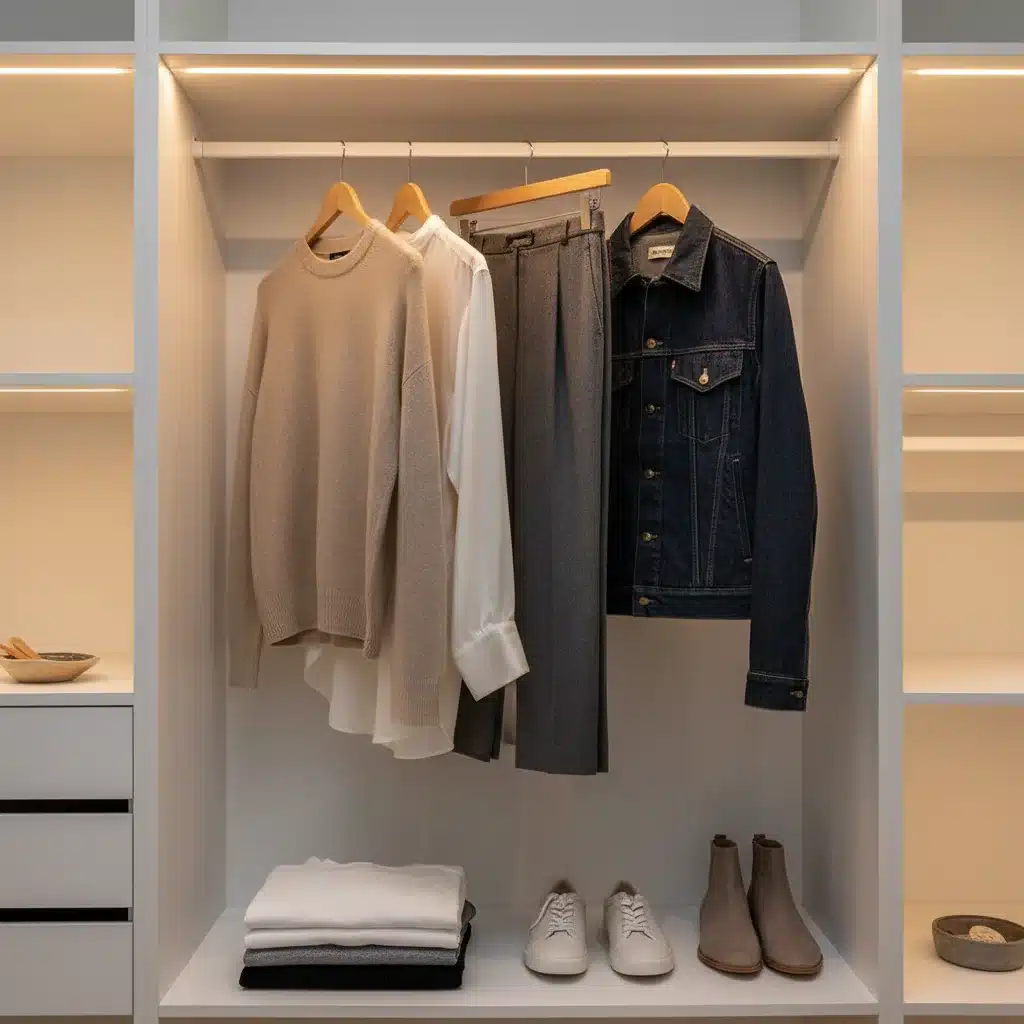
- Versatility: Layer it over your white shirt, wear it with the tailored trousers or jeans, or even drape it over your shoulders. It transitions seamlessly between seasons and occasions.
- Longevity: With proper care, fine wool sweaters can last for many years, retaining their shape and softness.
- Cost-Effectiveness: The comfort, warmth, and enduring style of a quality sweater make it an invaluable addition to your wardrobe, far outlasting multiple cheaper alternatives.
The Cumulative Advantage: Why 3 Outperform 10
Let’s break down the cumulative advantages of these smart wardrobe investments by 2026:
- Durability and Longevity: Your 3 high-quality items will likely still be in excellent condition, showing minimal signs of wear and tear. The 10 fast fashion items? Most would have been discarded, relegated to the back of the closet, or look visibly worn out.
- Consistent Style: The timeless nature of quality basics means you’ll always have something appropriate and stylish to wear. Fast fashion items, tied to fleeting trends, often look dated quickly.
- Reduced Decision Fatigue: A smaller, more cohesive wardrobe simplifies getting dressed, saving you time and mental energy each morning.
- Financial Savings: While the initial outlay for quality pieces is higher, the absence of constant replacements means significant savings over several years. You’re not repeatedly spending small amounts that add up to a large sum.
- Environmental Impact: By reducing consumption and extending the lifespan of your clothing, you significantly lessen your personal fashion footprint. Less waste, less production demand, less pollution.
- Elevated Personal Brand: Wearing well-made, well-fitting clothes communicates an attention to detail and a sophisticated understanding of style. It subtly enhances your presence.
- Emotional Connection: You tend to care for and appreciate high-quality items more, fostering a deeper, more sustainable relationship with your clothing.
Strategies for Making Smart Wardrobe Investments
Transitioning to a quality-over-quantity wardrobe requires a shift in mindset and some strategic planning. Here’s how to make smart wardrobe investments effectively:
1. Define Your Personal Style
Before buying anything, understand what truly suits you, what colors you love, and what silhouettes make you feel confident. This helps you choose basics that genuinely align with your aesthetic, ensuring you’ll love them for years.
2. Research Brands and Materials
Don’t just buy; investigate. Look for brands known for their commitment to quality, ethical production, and sustainable practices. Learn about different fabric properties to make informed choices. For example, understanding the difference between various types of cotton or wool can guide your purchase.
3. Save Up for Key Pieces
Instead of impulse buying multiple cheap items, save up for that one perfect blazer or those ideal trousers. Think of it as an investment fund for your wardrobe.
4. Shop Secondhand for Quality
High-quality items often retain their value and condition, making them excellent finds in consignment stores, vintage shops, or online resale platforms. This is a fantastic way to acquire premium pieces at a fraction of their retail price, further enhancing your smart wardrobe investments.
5. Prioritize Fit
Even the most expensive garment won’t look good if it doesn’t fit properly. Be prepared to invest in tailoring. A $100 pair of trousers tailored to perfection will look far more expensive and flattering than a $500 pair that doesn’t fit well off the rack.
6. Practice Mindful Consumption
Before every purchase, ask yourself: Do I truly need this? Does it fit my existing wardrobe? Is it high-quality? Will it last? This pause can prevent many regrettable fast fashion purchases.
7. Learn Basic Garment Care
Proper care significantly extends the life of your clothes. This includes appropriate washing, drying, folding, and storing techniques. Knowing how to mend a loose button or a small tear can also save a beloved item from premature retirement.
The Environmental and Ethical Imperative
Beyond personal style and financial benefits, the shift towards smart wardrobe investments carries a profound environmental and ethical imperative. Fast fashion’s business model relies on rapid production cycles, cheap labor, and a disregard for environmental safeguards. This leads to:
- Massive Waste: Millions of tons of textiles end up in landfills annually, often after very few wears.
- Resource Depletion: Cotton farming is incredibly water-intensive, and synthetic fabrics rely on fossil fuels.
- Chemical Pollution: Dyeing and finishing processes often release toxic chemicals into waterways.
- Exploitative Labor: The pressure for low prices often translates to poor working conditions and unfair wages for garment factory workers.
By consciously choosing fewer, better-made items, you are actively participating in a more sustainable fashion ecosystem. You are voting with your wallet for ethical production, environmental responsibility, and a future where clothing is valued for its craftsmanship and longevity, not its disposability.
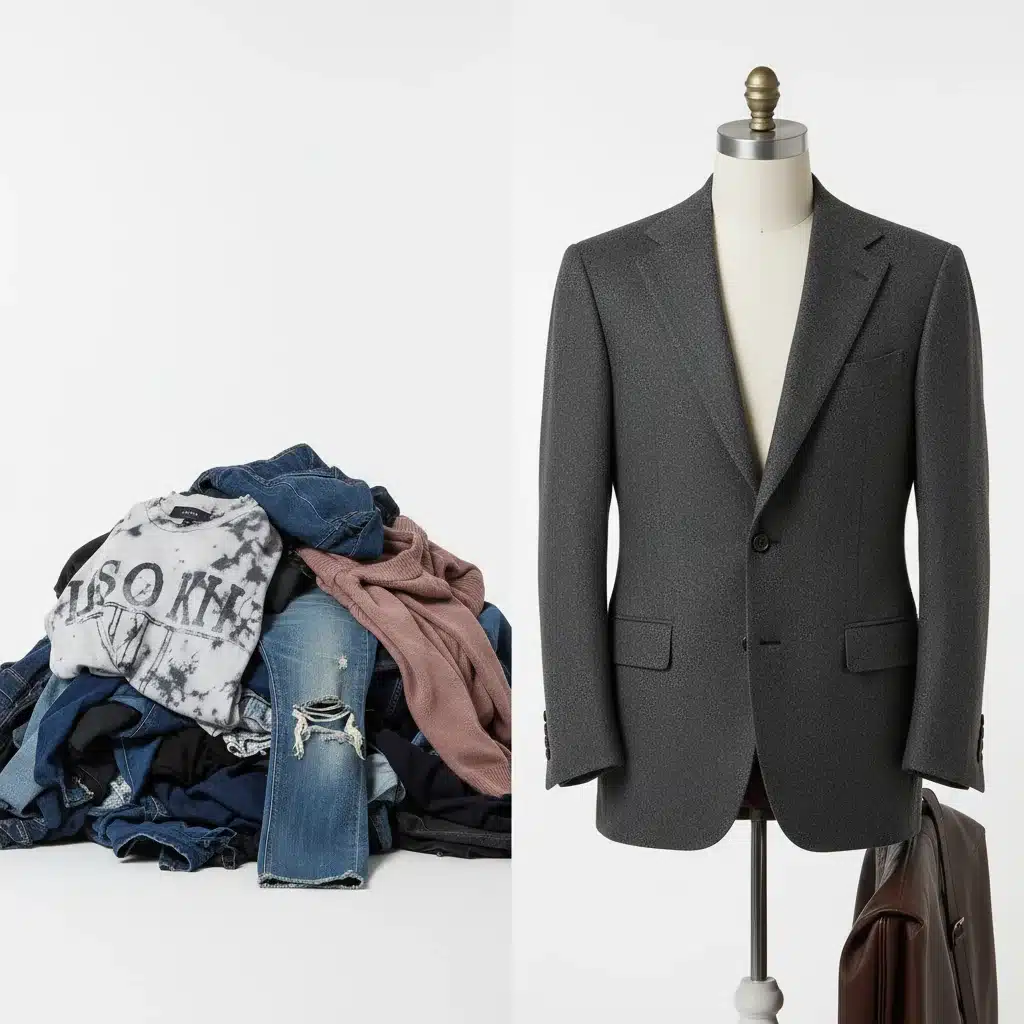
Looking Ahead to Your 2026 Wardrobe
Imagine your closet in 2026. Will it be overflowing with forgotten, worn-out fast fashion items, or will it house a curated collection of beloved, versatile, and enduring pieces? The choice is yours. By making smart wardrobe investments now, you are not just buying clothes; you are investing in a more sustainable lifestyle, a more refined personal style, and a more financially savvy approach to fashion.
The journey from a cluttered, trend-driven wardrobe to a streamlined, quality-focused one is transformative. It’s about finding joy in fewer, better things, appreciating craftsmanship, and understanding the true value of what you wear. Embrace the philosophy of ‘buy less, choose well, make it last,’ and watch your 2026 wardrobe become a testament to timeless elegance and conscious living.
Start small. Identify one or two key pieces that you wear constantly and consider replacing them with high-quality versions when the time comes. Gradually, you’ll build a wardrobe that serves you better, lasts longer, and aligns with your values. The future of fashion is quality, and the future of your wardrobe starts with these smart investments.