Denim Care 101: Extend the Life of Your Favorite Jeans by 50% in 2026
Anúncios
Denim Care 101: Extend the Life of Your Favorite Jeans by 50% in 2026
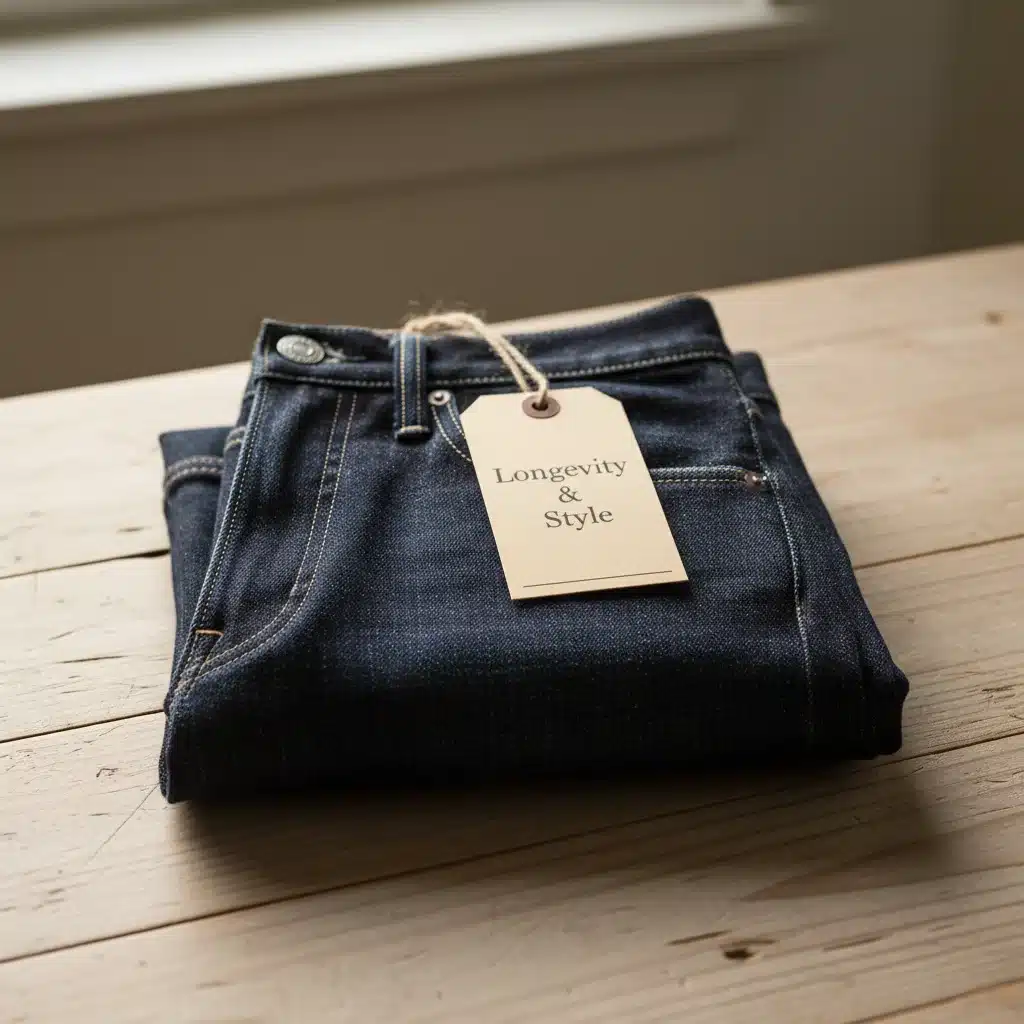
Your favorite pair of jeans isn’t just a piece of clothing; it’s a statement, a comfort, and often, an investment. We all have that one pair that fits just right, feels incredibly soft, and has molded perfectly to our body over time. But how do you ensure those beloved jeans last not just a season, but for years to come? The secret lies in mastering proper denim care tips. In an era where sustainability is paramount, extending the life of your clothing is not just economical, it’s environmentally responsible. This comprehensive guide will arm you with the knowledge and techniques to significantly prolong the lifespan of your denim, potentially by 50% or more, well into 2026 and beyond.
Anúncios
From understanding fabric composition to the nuances of washing, drying, and storage, every step plays a crucial role. Forget the old adage of ‘never washing your jeans’; while infrequent washing can be beneficial for raw denim, most everyday jeans benefit from thoughtful care. Let’s dive into the ultimate guide for preserving your denim’s color, fit, and integrity.
Understanding Your Denim: The First Step in Effective Care
Before you even think about washing, it’s essential to understand the type of denim you own. Not all denim is created equal, and different compositions require varied approaches to care. This foundational knowledge is one of the most critical denim care tips you can learn.
Anúncios
Raw Denim vs. Washed Denim
- Raw Denim (Dry Denim): This is denim that has not been washed or treated after being dyed during the manufacturing process. It’s stiff initially and will mold to your body over time, developing unique fades and creases known as ‘whiskers’ and ‘honeycombs.’ The general consensus for raw denim is to wash it as infrequently as possible, often waiting six months to a year for the first wash to allow these natural wear patterns to set in. When you do wash it, it’s usually a cold soak or a gentle hand wash.
- Washed Denim: Most jeans you buy off the shelf are pre-washed. This process softens the fabric, reduces shrinkage, and often gives them a worn-in look from the start. Washed denim is generally more forgiving in terms of washing frequency but still benefits greatly from careful handling.
Stretch Denim vs. 100% Cotton Denim
- Stretch Denim: Contains a percentage of elastic fibers like spandex, elastane, or Lycra, usually between 1-5%. This gives jeans flexibility and comfort. The elasticity can be damaged by high heat, making proper drying techniques even more vital.
- 100% Cotton Denim: Offers classic denim rigidity and durability. These jeans tend to be more robust but can be prone to shrinking if not washed and dried correctly. They also take longer to break in but offer superior longevity if cared for properly.
Always check the care label inside your jeans. It provides specific instructions from the manufacturer, tailored to the fabric composition and dyes used. Ignoring this label is a common mistake that can drastically shorten your denim’s life.
Washing Wisdom: Gentle Techniques for Lasting Denim
Washing is arguably the most critical aspect of denim care tips. Done incorrectly, it can lead to color fading, fabric damage, and loss of shape. Done right, it cleans and refreshes your jeans without compromising their integrity.
Reduce Washing Frequency
This is perhaps the most universally accepted denim care tip. Unless your jeans are visibly dirty or smell, you don’t need to wash them after every wear. Denim is a robust fabric that doesn’t require constant cleaning. Frequent washing can lead to premature fading and wear. Instead, spot clean small stains with a damp cloth and mild soap. For odors, try airing them out or placing them in the freezer overnight (though the freezer method is debated for its effectiveness against bacteria, it can help with odor). Aim to wash your jeans only when necessary, perhaps every 5-10 wears, depending on your activity level.
The Cold Water Commandment
Always wash your jeans in cold water. Hot water can cause dyes to bleed, leading to fading, and can also damage elastic fibers in stretch denim. Cold water is effective enough to clean your jeans without these adverse effects. It’s also more energy-efficient, making it a win-win for your jeans and the environment.
Turn Inside Out
Before placing your jeans in the washing machine, always turn them inside out. This simple step protects the outer surface of the denim from abrasion during the wash cycle, which is a major cause of fading. It also helps to preserve any special finishes or distress details on the outside.
Choose the Right Detergent
Opt for a mild, color-safe detergent. Harsh detergents with strong chemicals or bleaches can strip color from your denim and weaken the fibers. Look for detergents specifically designed for dark colors or delicate fabrics. Avoid using fabric softeners, as they can break down the elastic fibers in stretch denim over time.
Gentle Cycle is Your Friend
Select your washing machine’s delicate or gentle cycle. This setting uses less agitation, which is crucial for preventing stretching, twisting, and excessive wear on the fabric. If possible, wash jeans separately or with similar dark-colored items to prevent dye transfer.
Hand Washing: The Ultimate Gentle Clean
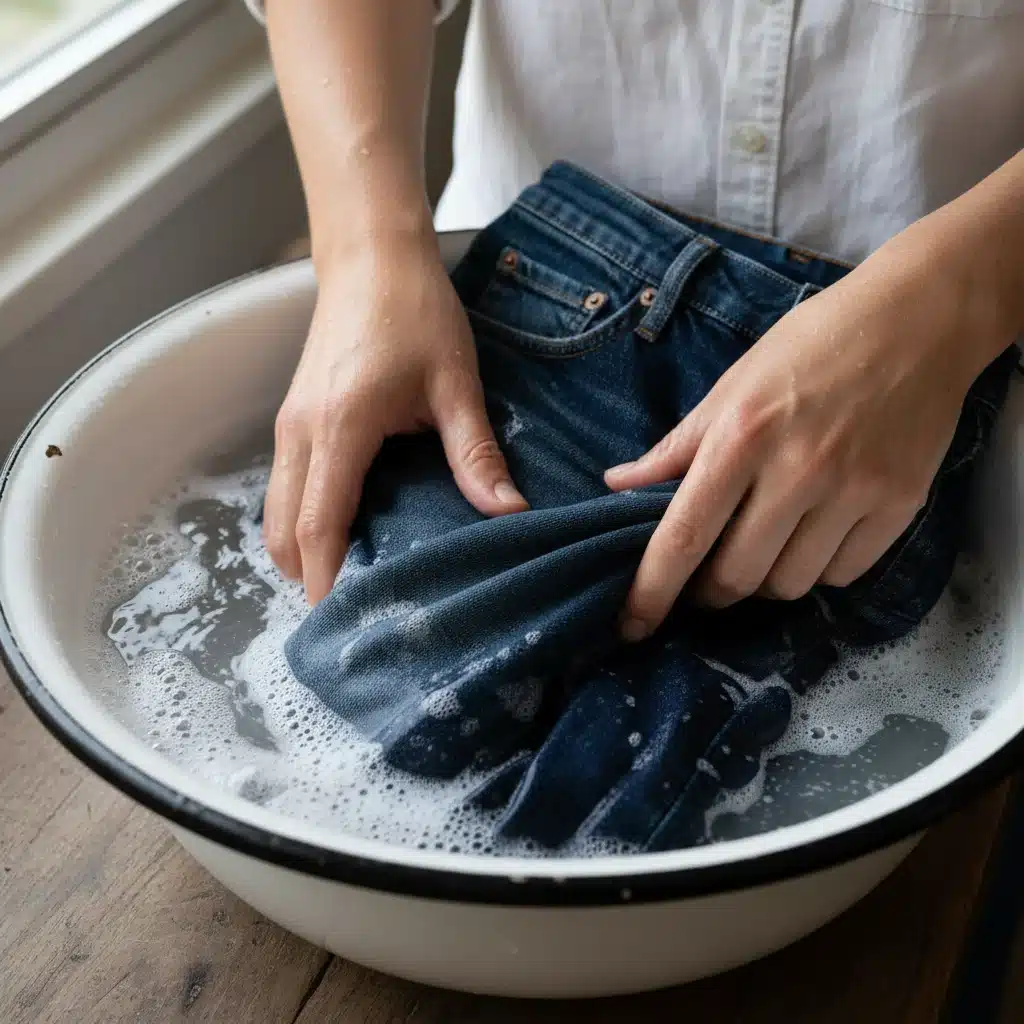
For your most cherished or raw denim, hand washing is the gentlest option. Fill a clean basin or tub with cool water and a small amount of mild detergent. Submerge your jeans, gently agitate them, and let them soak for about 30-45 minutes. Rinse thoroughly with cool water until all soap residue is gone. This method is particularly effective for maintaining the unique character of raw denim and preventing shrinkage.
Drying Do’s and Don’ts: Preserving Shape and Preventing Shrinkage
How you dry your jeans is just as important as how you wash them. The dryer is often denim’s worst enemy, especially for stretch fabrics and dark washes. Following these denim care tips for drying will make a significant difference in longevity.
Air Dry is Best
The golden rule of denim drying: air dry whenever possible. High heat from a tumble dryer can cause significant shrinkage, especially in 100% cotton denim. It can also break down the elastic fibers in stretch denim, leading to a loss of shape and bagginess. Air drying helps maintain the original fit and prevents heat damage.
To air dry, lay your jeans flat on a clean, dry surface or hang them by the waistband from a clothesline or drying rack. Hanging them upside down can sometimes prevent unsightly hanger marks and allow for more even drying. Ensure they are fully dry before wearing or storing to prevent mildew.
If You Must Tumble Dry…
If air drying isn’t an option, use the lowest heat setting on your dryer and remove the jeans while they are still slightly damp. This minimizes heat exposure and allows them to finish air drying. You can also add dryer balls to help fluff them and reduce drying time without excessive heat.
Reshaping After Wash
After washing, gently pull and reshape your jeans while they are still damp. This helps to restore their original form and can prevent them from drying in an odd shape, especially around the waistband and inseam.
Storage Solutions: Keeping Your Denim Pristine
Proper storage is an often-overlooked aspect of denim care tips. How you store your jeans can impact their shape, prevent creasing, and keep them ready for wear.
Hang Them Up
For most jeans, especially those with a structured fit, hanging them is the best option. Use sturdy hangers with clips that can grip the waistband without leaving marks. Hanging prevents deep creases that can develop when jeans are folded for extended periods, and it allows them to air out between wears.
Fold Neatly (If Hanging Isn’t Possible)
If closet space is limited, folding is acceptable. Fold your jeans neatly along their natural creases to minimize new wrinkles. Avoid stuffing them into drawers, as this can crush the fabric and lead to permanent creasing. Storing them flat in a drawer or on a shelf is ideal.
Avoid Overcrowding
Whether hanging or folding, ensure your denim has enough space. Overcrowding can lead to wrinkles, impede air circulation, and make it harder to find what you’re looking for. Give your jeans room to breathe.

Advanced Denim Care Tips for Longevity
Beyond the basics, there are several advanced techniques and considerations that can further extend the life of your cherished denim.
Spot Cleaning: Your First Line of Defense
Many ‘washes’ can be avoided entirely with effective spot cleaning. For small spills or marks, immediately dab the area with a clean, damp cloth. For tougher stains, use a very small amount of mild soap (like dish soap or a gentle stain remover) on a cloth and gently blot. Always test on an inconspicuous area first to ensure it doesn’t affect the dye.
Freezing for Freshness (Use with Caution)
The ‘freezing your jeans’ trick is a popular, albeit debated, method for refreshing denim without washing. The idea is that the cold kills odor-causing bacteria. While it might help with odors, it doesn’t remove dirt or grime. If you choose to try it, place your jeans in a sealed plastic bag before putting them in the freezer overnight. This is a good interim solution between washes but shouldn’t replace actual cleaning.
Embrace the Fade (for Raw Denim Enthusiasts)
For raw denim, part of the appeal is the unique fading patterns that develop over time. To achieve the best fades, resist washing for as long as possible (6 months to a year is common). When you do wash, consider a cold soak in a tub to minimize dye loss and preserve the high-contrast fades.
Repair, Don’t Replace
Small rips, tears, or worn-out areas don’t have to spell the end for your favorite jeans. Learning basic mending techniques, like patching or darning, can give your denim a new lease on life. Many tailors also offer denim repair services. Visible mending is also a growing trend that adds character and a personal touch to your jeans, embodying true sustainable fashion.
Rotate Your Denim
Just like with shoes, rotating your jeans allows them to rest and recover their shape. Wearing the same pair every day puts constant stress on the fabric. Having a few pairs of jeans that you rotate through can significantly reduce wear and tear on each individual pair, extending their collective lifespan.
Beware of Bleeding Dyes
Especially with new, dark-wash denim, dye transfer can be an issue. Avoid wearing new dark jeans with light-colored shoes, bags, or upholstery until they’ve been washed a few times. The initial washes will help set the dye. You can also try a vinegar soak (1 cup white vinegar in a basin of cold water, soak for 30 minutes) before the first wash to help set the dye and reduce bleeding.
Common Denim Care Mistakes to Avoid
To truly master denim care tips and achieve maximum longevity, it’s just as important to know what not to do.
- Over-washing: As discussed, this is the number one culprit for premature fading and wear.
- Using hot water: Leads to fading, shrinkage, and damage to stretch fibers.
- Using harsh detergents/bleach: Strips color and weakens fabric.
- Tumble drying on high heat: Causes shrinkage, damages elasticity, and can create harsh creases.
- Not turning jeans inside out: Exposes the outer fabric to unnecessary abrasion.
- Ignoring the care label: The manufacturer’s instructions are there for a reason.
- Folding rather than hanging (for structured denim): Can lead to permanent creases and loss of shape.
- Not repairing small damage promptly: Small holes can quickly become large, irreparable tears.
The Environmental Impact of Denim Care
Beyond personal benefits, adopting these denim care tips has a significant positive impact on the environment. The fashion industry is a major consumer of resources, from water for cotton cultivation to energy for manufacturing and transportation. By extending the life of your jeans, you:
- Reduce waste: Fewer jeans end up in landfills.
- Conserve resources: Less demand for new production means less water, energy, and chemicals used.
- Lower your carbon footprint: Manufacturing new garments is energy-intensive.
Embracing a mindful approach to clothing care is a crucial step towards a more sustainable wardrobe and a healthier planet. Every conscious decision, from washing less to repairing more, contributes to a larger positive change.
Conclusion: Your Jeans, Reimagined for Longevity
Your favorite pair of jeans holds stories, memories, and a unique place in your wardrobe. With the right denim care tips, you can ensure those stories continue for many more years. By understanding the fabric, adopting gentle washing and drying techniques, and implementing smart storage solutions, you’re not just maintaining a garment; you’re investing in its future and embracing a more sustainable lifestyle.
Remember, patience and gentleness are key. Resist the urge to over-wash, embrace air drying, and always treat your denim with the respect it deserves. By integrating these practices into your routine, you can confidently extend the life of your favorite jeans by 50% or more, keeping them looking and feeling great well into 2026 and beyond. So go forth, care for your denim, and enjoy the enduring comfort and style of your perfectly preserved jeans.