Sustainable Style: Build Your Eco-Friendly Wardrobe for 2026
Anúncios
In an era where environmental consciousness is no longer a niche but a global imperative, the fashion industry, historically one of the most polluting sectors, is undergoing a profound transformation. As we look towards 2026, the concept of a truly eco-friendly fashion choices is not just a trend but a fundamental shift in how we approach our wardrobes. Building a sustainable style doesn’t mean sacrificing aesthetics or personal expression; instead, it invites us to embrace creativity, quality, and mindful consumption. This comprehensive guide will navigate you through eight essential eco-friendly choices to curate a fashion-forward, sustainable wardrobe that not only looks good but also does good for the planet.
The journey to a sustainable wardrobe begins with understanding the impact of our clothing choices. From water consumption and pesticide use in conventional cotton farming to the microplastic pollution from synthetic fabrics and the vast waste generated by fast fashion, the environmental footprint is immense. However, a growing movement of designers, brands, and consumers are championing alternatives. By making informed decisions, we can significantly reduce our individual impact and contribute to a more ethical and sustainable fashion ecosystem. Let’s delve into the core principles and actionable steps to achieve this.
Anúncios
Understanding the Need for Eco-Friendly Fashion Choices
Before we dive into specific choices, it’s crucial to grasp the ‘why’ behind sustainable fashion. The fashion industry is a significant contributor to global pollution, consuming vast amounts of water, energy, and raw materials. It’s responsible for approximately 10% of global carbon emissions, more than international flights and maritime shipping combined. Furthermore, the industry’s reliance on synthetic fibers like polyester and nylon contributes to microplastic pollution, which infiltrates our oceans and food chains. The human cost is also substantial, with many garment workers facing exploitative conditions and unfair wages.
Fast fashion, characterized by rapid production cycles, low prices, and disposable garments, exacerbates these problems. It encourages overconsumption and treats clothing as single-use items, leading to mountains of textile waste in landfills. A truly sustainable wardrobe, therefore, involves moving away from this model towards one that values longevity, ethical production, and minimal environmental impact. This shift requires a change in mindset, viewing clothes as investments rather than fleeting trends. When we talk about eco-friendly fashion choices, we’re discussing a holistic approach that considers the entire lifecycle of a garment, from fiber to disposal.
Anúncios
1. Embrace Organic and Natural Fibers
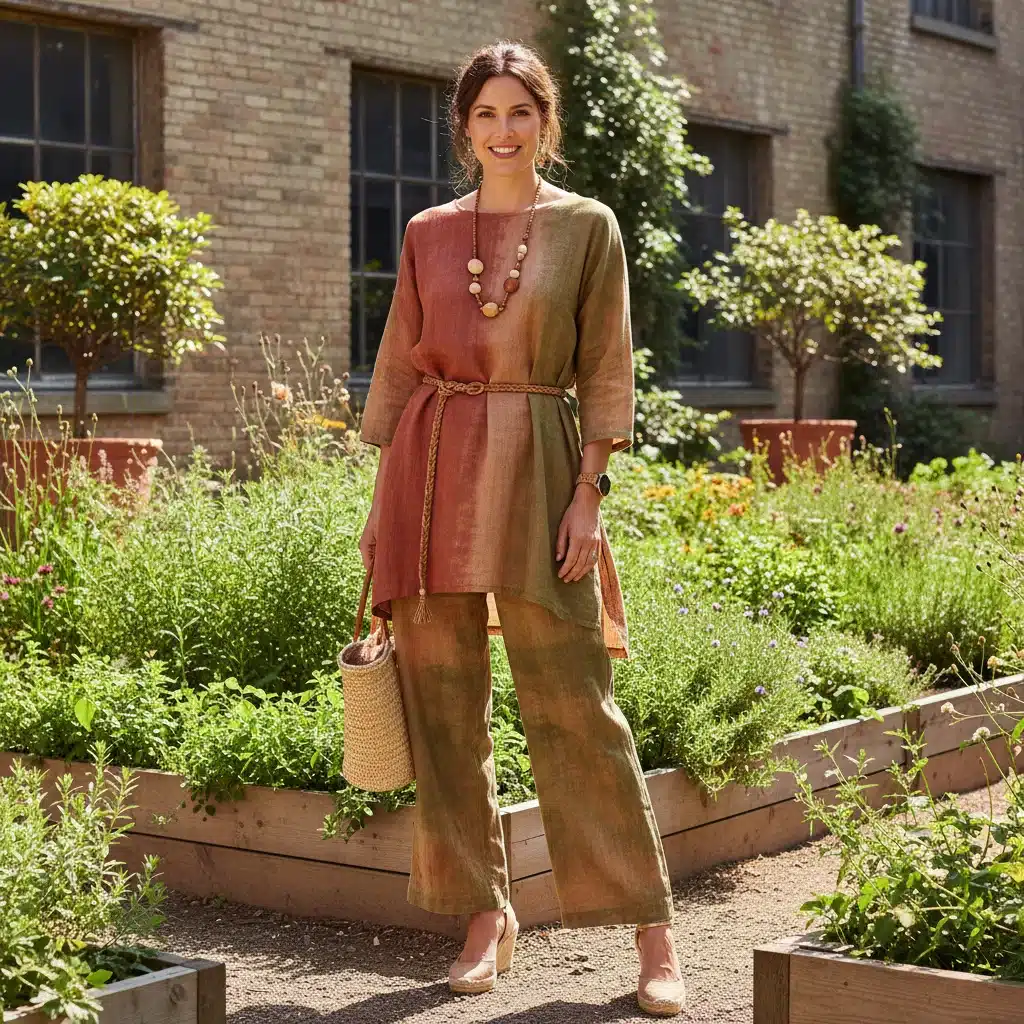
The foundation of an eco-friendly fashion choices lies in the materials. Opting for organic and natural fibers is a critical first step. Organic cotton, for instance, is grown without harmful pesticides and synthetic fertilizers, significantly reducing water pollution and protecting biodiversity. It also uses less water than conventional cotton due to healthier soil management practices. Look for certifications like GOTS (Global Organic Textile Standard) to ensure authenticity.
Beyond organic cotton, explore other natural fibers such as linen, hemp, and Tencel (Lyocell). Linen, derived from the flax plant, is incredibly durable, requires minimal water, and is biodegradable. Hemp is another powerhouse, growing quickly without pesticides, enriching the soil, and producing strong, long-lasting fibers. Tencel, made from eucalyptus wood pulp, is produced in a closed-loop system, meaning nearly 100% of the solvents used are recycled, making it an incredibly resource-efficient and soft fabric. These materials offer breathability, comfort, and a reduced environmental footprint compared to their synthetic counterparts.
2. Prioritize Durability and Quality Over Quantity
One of the most impactful eco-friendly fashion choices you can make is to buy fewer, better-quality items. Fast fashion encourages impulse purchases of cheaply made garments that quickly fall apart, leading to a constant cycle of buying and discarding. Investing in durable, well-made clothing means your pieces will last longer, reducing the need for frequent replacements and minimizing textile waste. Think of it as a long-term investment in your style and the planet.
When shopping, pay attention to construction, fabric composition, and brand reputation. Are the seams strong? Is the fabric prone to pilling or stretching? Research brands known for their commitment to quality and craftsmanship. While these items might have a higher upfront cost, their extended lifespan often makes them more cost-effective in the long run. This approach fosters a deeper appreciation for your clothes and encourages mindful consumption.
3. Discover the Power of Second-Hand and Vintage
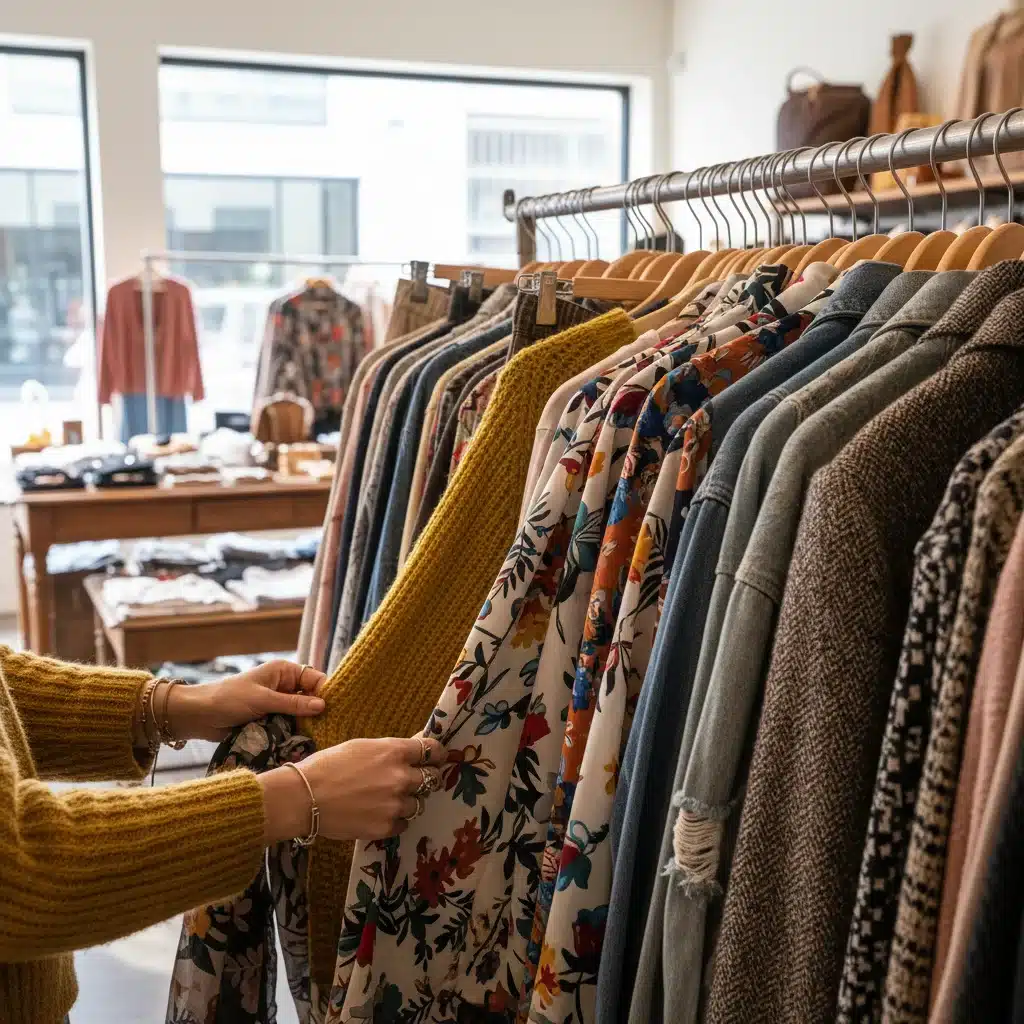
The most sustainable garment is often one that already exists. Second-hand and vintage shopping is a fantastic way to build a unique and eco-friendly fashion choices. Thrifting, consignment stores, online marketplaces, and vintage boutiques offer a treasure trove of pre-loved items, giving them a second life and diverting them from landfills. This practice significantly reduces the demand for new production, conserving resources and minimizing waste.
Beyond the environmental benefits, second-hand shopping allows for incredible personal style expression. You can find unique pieces, discover forgotten trends, and curate a wardrobe that truly reflects your individuality without contributing to the environmental and ethical issues of new production. It’s a sustainable choice that also offers a thrilling hunt for one-of-a-kind finds.
4. Support Ethical and Transparent Brands
Transparency and ethical production are hallmarks of eco-friendly fashion choices. Many brands are now committed to fair labor practices, safe working conditions, and living wages for their garment workers. They also often provide detailed information about their supply chains, from where their materials are sourced to how their clothes are manufactured. This level of transparency allows consumers to make informed decisions and support companies that align with their values.
Look for certifications like Fair Trade, which ensures fair wages and safe working conditions. Research brands’ sustainability reports and their commitments to environmental and social responsibility. Websites and apps like Good On You can also help you assess a brand’s ethical and environmental performance. By consciously choosing brands that prioritize people and the planet, you become an active participant in driving positive change within the industry.
5. Embrace Circular Fashion Initiatives: Repair, Repurpose, Recycle
A truly sustainable wardrobe extends beyond buying choices to how we care for and dispose of our clothes. Embracing circular fashion means keeping resources in use for as long as possible. This involves repairing clothes when they tear or buttons fall off, rather than discarding them. Learning basic mending skills or finding a local tailor can significantly extend the life of your garments. Repurposing old clothes into new items or for different uses (e.g., old t-shirts as cleaning rags) also prevents waste.
When garments truly reach the end of their life, explore textile recycling options. Many brands now offer take-back programs, and specialized textile recycling facilities can break down fabrics for new uses. Avoid simply throwing clothes in the trash, as they will end up in landfills where they can take hundreds of years to decompose, releasing harmful greenhouse gases in the process. These practices are vital components of making eco-friendly fashion choices a comprehensive lifestyle.
6. Choose Versatile and Timeless Pieces
Building a minimalist and versatile wardrobe is a powerful strategy for sustainable style. Instead of chasing fleeting trends, focus on acquiring timeless pieces that can be mixed and matched to create numerous outfits. A well-curated capsule wardrobe, consisting of versatile items in neutral colors and classic silhouettes, reduces the need for constant new purchases.
This approach encourages creativity in styling and helps you develop a signature look that transcends seasonal fads. By investing in high-quality, versatile staples, you create a wardrobe that remains relevant and stylish for years, embodying the essence of eco-friendly fashion choices through longevity and reduced consumption. Think about pieces that can transition from day to night, or from casual to formal with simple accessory changes.
7. Reduce Laundry’s Environmental Impact
The environmental impact of clothing doesn’t end after purchase; it continues throughout its use, particularly during laundry. Conventional washing and drying consume significant amounts of water and energy, and synthetic garments release microplastics into waterways. Making your laundry routine more sustainable is an important part of eco-friendly fashion choices.
Wash clothes less frequently, only when truly necessary. Opt for cold water washes, which save energy. Use eco-friendly detergents free from harsh chemicals that can pollute waterways. Air-dry clothes whenever possible, as tumble dryers are energy-intensive. For synthetic items, consider using a Guppyfriend washing bag or similar device to capture microplastics before they enter the water system. Small changes in your laundry habits can collectively make a big difference.
8. Participate in Clothing Swaps and Rentals
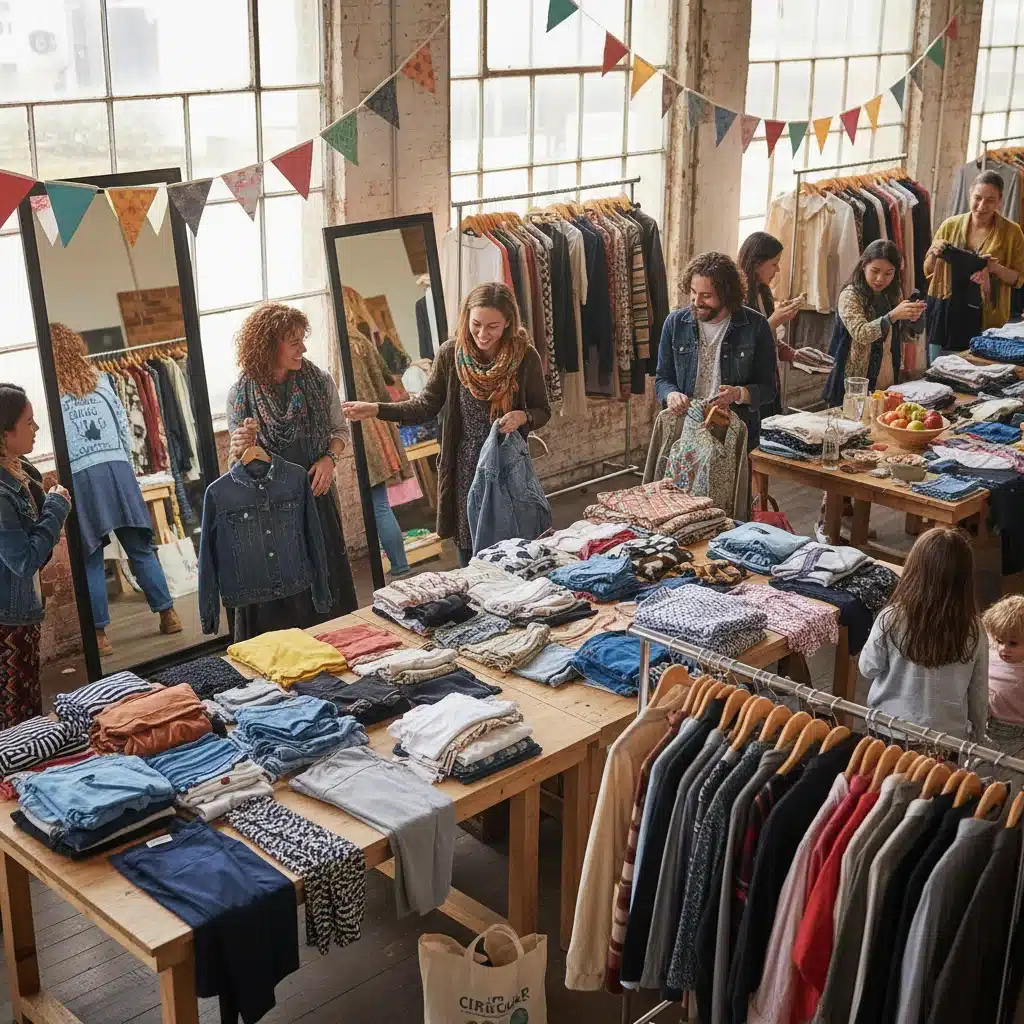
Beyond buying second-hand, participating in clothing swaps and exploring rental services are innovative eco-friendly fashion choices that promote a circular economy. Clothing swaps allow you to refresh your wardrobe by exchanging unwanted garments with others, giving clothes a new life without any monetary exchange or new production. These events often foster community and provide a fun, social way to engage with sustainable fashion.
For special occasions or items you’ll only wear once or twice, clothing rental services offer a fantastic alternative to purchasing new. Instead of buying an expensive gown for a wedding or a specific outfit for an event, you can rent it, wear it, and return it. This reduces waste, saves money, and allows access to high-end fashion sustainably. The rise of these services indicates a growing shift towards access over ownership, a key principle of a truly sustainable future in fashion.
The Future of Your Wardrobe: A Sustainable Vision for 2026 and Beyond
As we navigate towards 2026, the landscape of fashion is steadily evolving, with sustainability at its core. The choices we make today will define the style of tomorrow. Adopting eco-friendly fashion choices is not about sacrificing style or convenience; it’s about embracing a more thoughtful, responsible, and ultimately more rewarding way of dressing. It’s about building a wardrobe that tells a story of conscious decisions, ethical production, and environmental stewardship.
The eight strategies outlined above provide a robust framework for transforming your wardrobe into a beacon of sustainable style. From the fundamental shift towards organic and natural fibers to the empowering act of supporting ethical brands and participating in circular fashion initiatives, each step contributes to a larger, more impactful movement. Remember, sustainability is a journey, not a destination. Every small step, every conscious decision, adds up to a significant positive change.
Consider the ripple effect of your choices. When you choose a garment made from organic cotton, you support farmers who prioritize soil health and eschew harmful chemicals. When you buy a vintage piece, you reduce demand for new production and celebrate the artistry of the past. When you repair a beloved item, you extend its life and challenge the throwaway culture. These actions, multiplied by millions of consumers, have the power to reshape an entire industry.
Furthermore, sustainable fashion often goes hand-in-hand with improved quality and timeless design. When you invest in pieces that are made to last and designed to transcend fleeting trends, you build a wardrobe that is not only environmentally responsible but also inherently chic and enduring. This approach fosters a deeper connection with your clothes, turning them into cherished companions rather than disposable commodities.
Overcoming Challenges in Sustainable Style
It’s important to acknowledge that embracing eco-friendly fashion choices can present challenges. Sustainable items sometimes come with a higher price tag due to ethical labor practices and higher-quality materials. However, by focusing on durability and buying fewer items, the long-term cost can be comparable or even lower. The key is to shift from a mindset of constant acquisition to one of thoughtful investment.
Another challenge can be accessibility. While sustainable brands are growing, they might not be as ubiquitous as fast fashion retailers. This requires a bit more research and a willingness to explore new shopping avenues, such as online ethical marketplaces, local consignment shops, and community events. However, the reward of finding unique, ethically made pieces often outweighs the initial effort.
The Role of Innovation in Sustainable Fashion
The future of eco-friendly fashion choices is also being shaped by incredible innovations. Scientists and designers are developing new sustainable materials, such as fabrics made from agricultural waste, mushroom mycelium, or even recycled plastic bottles. Advances in dyeing processes are reducing water and chemical use, and technologies like 3D printing are minimizing textile waste in production. Staying informed about these innovations can inspire further sustainable choices and highlight the exciting progress being made in the industry.
Moreover, digital solutions are playing a crucial role. Apps that help you track your wardrobe, plan outfits, or connect with repair services are making sustainable living more convenient. The ability to easily research brands’ sustainability credentials empowers consumers to make better choices at their fingertips.
Making Your Sustainable Wardrobe a Reality
To truly integrate eco-friendly fashion choices into your life, start small and gradually build up. You don’t have to overhaul your entire wardrobe overnight. Begin by focusing on one or two areas, such as choosing organic cotton for your next t-shirt purchase or committing to buying all your jeans second-hand. As you become more comfortable, you can expand your efforts.
Educate yourself continuously. Follow sustainable fashion blogs, documentaries, and social media accounts to stay informed about new developments and ethical brands. Share your journey with friends and family, inspiring others to consider their own fashion choices. Collective action is powerful, and every individual who embraces sustainable style contributes to a healthier planet and a more equitable fashion industry.
Your wardrobe in 2026 can be a testament to both your impeccable style and your unwavering commitment to the planet. It’s a vision where fashion is not about fleeting trends but about lasting quality, ethical production, and a deep respect for resources. By making these eight eco-friendly choices, you are not just dressing yourself; you are dressing for a better future.
Ultimately, building a sustainable wardrobe is a journey of conscious decision-making. It’s about understanding the story behind your clothes, valuing craftsmanship, and appreciating the resources that go into each garment. It’s about making choices that reflect your values and contribute to a world where fashion is a force for good. Embrace these eco-friendly fashion choices and step into 2026 with a style that is truly sustainable, ethical, and effortlessly chic.