The Ultimate Guide to Building a Sustainable Fashion Essentials Collection in 2026: Reducing Waste by 25%
In an era where environmental consciousness is no longer a niche concern but a global imperative, the fashion industry faces increasing scrutiny. Fast fashion, with its rapid production cycles and disposable garments, contributes significantly to pollution, waste, and unethical labor practices. As we look towards 2026, the call for a more sustainable approach to clothing becomes louder and more urgent. This comprehensive guide will walk you through the process of building a truly sustainable fashion essentials collection, with an ambitious yet achievable goal: reducing your personal textile waste by 25%.
Anúncios
Building a sustainable fashion essentials wardrobe isn’t just about buying eco-friendly clothes; it’s a holistic shift in mindset, a commitment to conscious consumption, and a re-evaluation of what ‘essential’ truly means. It’s about investing in quality over quantity, choosing timeless pieces over fleeting trends, and supporting brands that prioritize people and the planet. By making informed choices, we can collectively make a significant impact, transforming the fashion landscape one thoughtful purchase at a time.
The journey to a sustainable wardrobe might seem daunting at first, but with the right strategies and a clear understanding of the principles involved, it becomes an empowering and rewarding experience. This guide will cover everything from understanding the impact of fast fashion to identifying sustainable materials, discovering ethical brands, and implementing practical habits that foster longevity and minimize waste. Let’s dive into creating a wardrobe that not only looks good but also does good.
Anúncios
Understanding the Environmental and Social Impact of Fast Fashion
Before we delve into building your sustainable fashion essentials, it’s crucial to grasp the scale of the problem we’re trying to solve. Fast fashion, characterized by cheap, trendy, and mass-produced clothing, has profound environmental and social consequences. The industry is responsible for an estimated 10% of global carbon emissions, more than international flights and maritime shipping combined. This staggering figure is due to energy-intensive manufacturing processes, long supply chains, and the prevalence of synthetic fibers derived from fossil fuels.
Water Consumption and Pollution
Textile production is incredibly water-intensive. Growing cotton, for instance, requires vast amounts of water, with a single cotton t-shirt needing up to 2,700 liters – enough drinking water for one person for 2.5 years. Beyond consumption, the dyeing and finishing processes release toxic chemicals into waterways, polluting ecosystems and endangering human health in surrounding communities. These chemicals, often heavy metals, dyes, and bleaches, can render water sources unsafe for drinking, agriculture, and wildlife.
Waste Generation
The disposable nature of fast fashion leads to an enormous amount of textile waste. Globally, an estimated 92 million tons of textile waste are generated annually, much of which ends up in landfills or is incinerated. This waste often contains synthetic fibers like polyester, which can take hundreds of years to decompose, releasing microplastics into the environment. Even natural fibers, when mixed with synthetics or treated with chemicals, can be difficult to recycle or compost, contributing to ever-growing mountains of discarded clothing.
Social and Ethical Concerns
Behind the low prices of fast fashion often lie exploitative labor practices. Workers in garment factories, predominantly women in developing countries, frequently endure low wages, long hours, unsafe working conditions, and a lack of basic human rights. The pressure to produce quickly and cheaply often comes at the expense of worker welfare, highlighting the urgent need for ethical sourcing and transparency in supply chains. Building a sustainable fashion essentials collection is inherently about supporting fair labor practices and human dignity.
Defining Your Sustainable Fashion Essentials: The Core Principles
The foundation of a sustainable fashion essentials wardrobe rests on several key principles. Embracing these will not only help you reduce waste but also cultivate a more mindful and satisfying relationship with your clothes.
1. Quality Over Quantity
This is perhaps the most crucial principle. Instead of buying many cheap items that quickly fall apart, invest in fewer, higher-quality pieces designed to last. High-quality garments often mean better materials, superior craftsmanship, and timeless designs, reducing the need for frequent replacements. While the initial cost might be higher, the cost-per-wear over time will be significantly lower, and the environmental footprint much smaller.
2. Timelessness and Versatility
Focus on classic styles and neutral colors that won’t go out of fashion. These pieces can be mixed and matched to create numerous outfits, maximizing their utility. A truly essential item is one that can be dressed up or down, worn across seasons, and remains relevant for years. This approach directly combats the cyclical nature of trends driven by fast fashion.
3. Ethical Sourcing and Transparency
Prioritize brands that are transparent about their supply chains, ensuring fair wages, safe working conditions, and environmentally responsible production methods. Look for certifications (e.g., Fair Trade, GOTS, B Corp) that verify a brand’s commitment to ethical practices. Researching a brand’s ethos and impact is an integral part of building a sustainable fashion essentials collection.
4. Durability and Repairability
Choose garments made from durable materials that can withstand regular wear and washing. Opt for items that can be easily repaired if damaged, rather than discarded. Learning basic mending skills or finding a local tailor can significantly extend the life of your clothes, directly contributing to your goal of reducing textile waste.
5. Circularity and End-of-Life Considerations
Think about what happens to a garment at the end of its life. Can it be recycled, upcycled, or composted? Supporting brands with take-back programs or those using recycled materials contributes to a circular economy, minimizing waste and resource depletion. This forward-thinking approach is vital for long-term sustainability.
Key Components of Your Sustainable Fashion Essentials Collection
Now, let’s explore the types of items that form the backbone of a practical and sustainable fashion essentials wardrobe. Remember, this is a template; adapt it to your personal style, climate, and lifestyle needs.
Tops and Layers: The Versatile Foundation
- Classic T-shirts (2-3): Opt for organic cotton, hemp, or Tencel in neutral colors like white, black, navy, or grey. These are foundational pieces for layering or wearing on their own.
- Long-Sleeved Tops (1-2): Similar materials and colors, perfect for cooler weather or added sun protection.
- Sweaters/Cardigans (1-2): Choose natural fibers like merino wool, cashmere (responsibly sourced), or organic cotton knits. These offer warmth and can elevate an outfit.
- Button-Down Shirt (1): A crisp organic cotton or linen shirt is incredibly versatile, suitable for both casual and more formal settings.
Bottoms: Durable and Comfortable
- Well-Fitting Jeans (1-2): Look for brands using organic cotton, recycled denim, or innovative water-saving technologies. Choose a timeless cut that flatters your shape.
- Trousers (1): A pair of tailored trousers in linen, Tencel, or organic cotton blend can be dressed up for work or down for casual outings.
- Skirts/Dresses (1-2): A versatile skirt (e.g., A-line or pencil) and a simple, elegant dress in sustainable fabrics like organic cotton, linen, or Tencel can cover various occasions.
Outerwear: Investment Pieces
- Classic Jacket (1): A trench coat, denim jacket (recycled denim), or a durable utility jacket made from organic cotton canvas.
- Winter Coat (1, if applicable): An ethically sourced wool coat or a recycled down/synthetic insulated jacket.
Footwear and Accessories: The Finishing Touches
- Versatile Shoes (2-3 pairs): Consider ethical sneakers made from recycled materials, durable leather alternatives, or responsibly sourced leather. A comfortable pair of flats or boots for different seasons.
- Bags (1-2): A durable everyday bag and perhaps a smaller evening bag made from recycled materials, vegan leather, or responsibly sourced natural fibers.
- Scarves/Belts: These can add personality and extend the versatility of your outfits. Opt for natural fibers like organic cotton, wool, or silk, or recycled materials.
Identifying Sustainable Materials and Ethical Brands
The choice of material and the brand behind the garment are critical when building your sustainable fashion essentials. Educating yourself on these aspects empowers you to make truly conscious decisions.
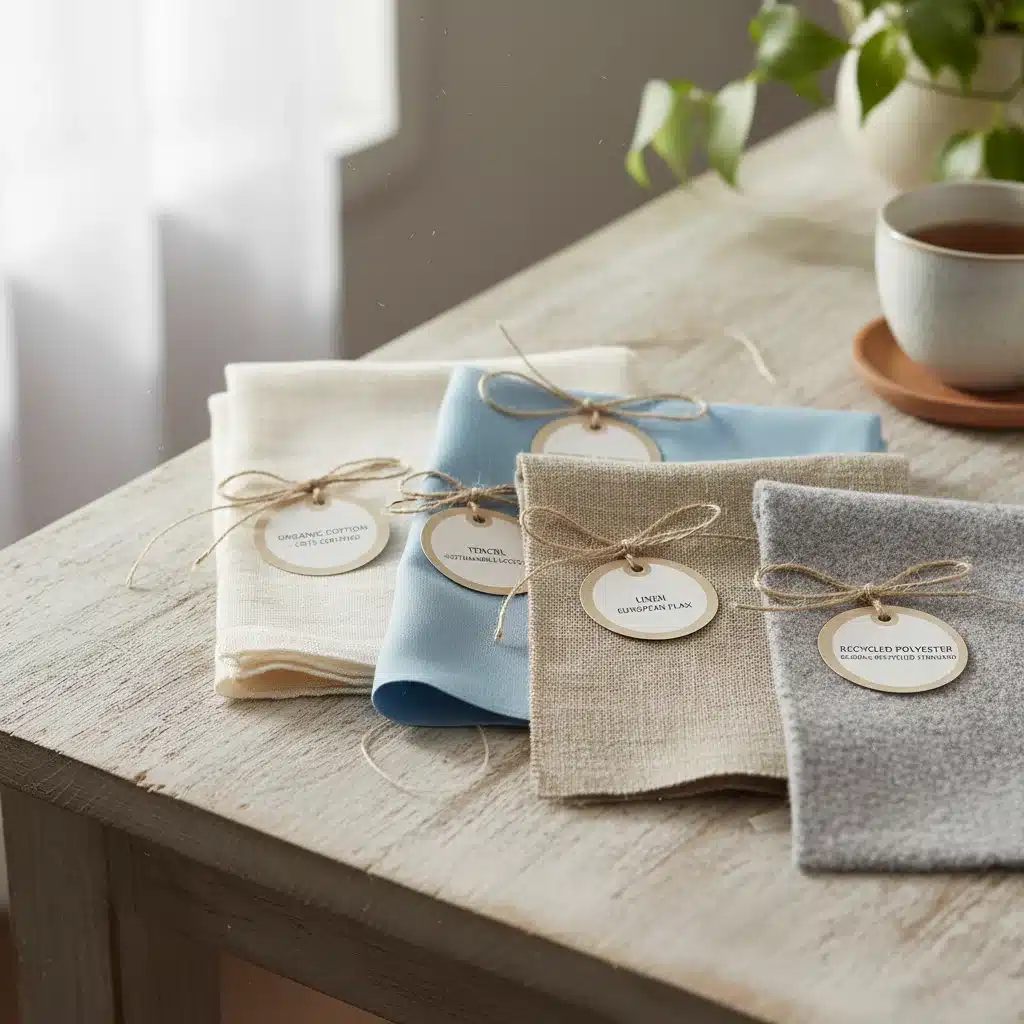
Sustainable Materials to Look For:
- Organic Cotton: Grown without synthetic pesticides or fertilizers, significantly reducing environmental impact and promoting soil health.
- Linen: Made from flax plants, which require less water and pesticides than cotton. It’s durable, breathable, and biodegradable.
- Hemp: A highly sustainable crop that requires minimal water, no pesticides, and replenishes soil nutrients. It’s incredibly strong and softens with wear.
- Tencel/Lyocell: A regenerated cellulosic fiber made from sustainably sourced wood pulp. Its production process is closed-loop, meaning solvents are reused, minimizing waste and pollution.
- Recycled Materials (Polyester, Cotton, Nylon): Diverts waste from landfills and reduces the demand for virgin resources. Look for certifications like GRS (Global Recycled Standard).
- Ethically Sourced Wool/Cashmere: When sourced from farms that prioritize animal welfare and sustainable land management.
- Innovative Materials: Explore emerging materials like Pinatex (pineapple leaf fiber), mushroom leather, or fabrics made from seaweed or coffee grounds.
Certifications to Trust:
- GOTS (Global Organic Textile Standard): The leading standard for organic fibers, ensuring environmental and social criteria throughout the supply chain.
- Fair Trade Certified: Guarantees fair wages and safe working conditions for farmers and factory workers.
- OEKO-TEX Standard 100: Ensures textiles are free from harmful substances.
- B Corp Certification: Identifies companies meeting high standards of verified social and environmental performance, public transparency, and legal accountability.
- Bluesign: A system that provides solutions for sustainable textile production, eliminating harmful substances from the beginning of the manufacturing process.
Finding Ethical Brands:
Research is key. Look for brands that are transparent about their supply chains, share their impact reports, and actively work to improve their sustainability credentials. Many online directories and apps are dedicated to sustainable fashion, making it easier to discover brands aligned with your values. Don’t be afraid to ask questions directly to brands about their practices.
Strategies for Reducing Textile Waste by 25% in 2026
Achieving a 25% reduction in textile waste requires a multi-faceted approach. It’s not just about what you buy, but also how you care for, use, and dispose of your clothes. Here are actionable strategies:
1. Mindful Consumption: Buy Less, Choose Well
- The 30 Wears Test: Before buying an item, ask yourself if you’ll wear it at least 30 times. If the answer is no, reconsider the purchase. This simple rule encourages thoughtful investment.
- Create a Wishlist: Instead of impulse buying, maintain a wishlist of items you genuinely need. This allows for research into sustainable options and prevents unnecessary purchases.
- Avoid Sales Traps: Sales often encourage buying items you don’t truly need. Stick to your wishlist and ethical brands, even during sale periods.
2. Extend the Lifespan of Your Clothes
- Proper Care: Follow garment care instructions diligently. Wash clothes less frequently, use cold water, air dry when possible, and avoid harsh detergents. This prevents premature wear and tear.
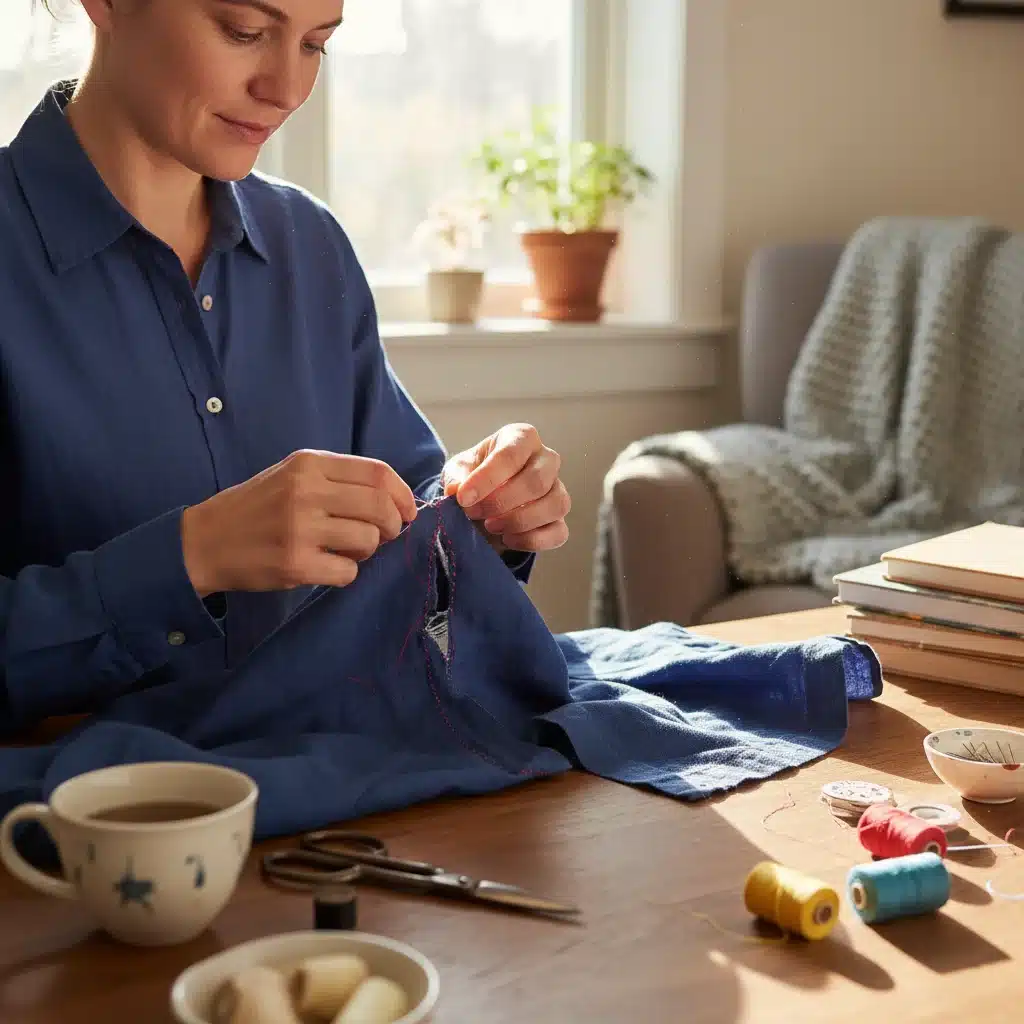
- Repair and Mend: Learn basic sewing skills to fix minor tears, reattach buttons, or hem trousers. For more complex repairs, seek out local tailors or mending services. This is a powerful way to reduce waste and show appreciation for your clothes.
- Upcycle and Customize: Give old garments a new lease of life by altering them, adding embellishments, or transforming them into something new. A long dress can become a skirt, or a stained t-shirt can become a cleaning rag.
3. Embrace Secondhand and Circular Fashion
- Thrifting and Vintage: Explore local thrift stores, consignment shops, and vintage boutiques. You can find unique, high-quality pieces and give them a second life, significantly reducing their environmental footprint.
- Online Resale Platforms: Websites and apps dedicated to selling and buying pre-owned clothing are excellent resources for both finding new-to-you items and selling your unwanted garments.
- Clothing Swaps: Organize or participate in clothing swap events with friends or community groups. It’s a fun and free way to refresh your wardrobe without buying new.
- Rent or Borrow: For special occasions or items you’ll only wear once (e.g., formal wear, costumes), consider renting or borrowing instead of buying.
4. Responsible Disposal
- Donate Wisely: Only donate clothes that are still in good, wearable condition. If an item is stained, torn, or beyond repair, it’s unlikely to be useful to someone else.
- Recycle Textiles: For unwearable textiles, seek out specialized textile recycling programs in your area. Many brands also offer take-back programs for their old garments.
- Compost Natural Fibers: 100% natural fibers (like untreated cotton, linen, wool) can often be composted if free from synthetic blends or dyes. Always check local composting guidelines.
The Long-Term Benefits of a Sustainable Fashion Essentials Wardrobe
Beyond the immediate environmental and social impact, adopting a sustainable fashion essentials approach offers numerous personal benefits:
- Reduced Decision Fatigue: A curated wardrobe with versatile pieces means less time spent deciding what to wear, freeing up mental energy.
- Financial Savings: While initial investments in quality pieces might be higher, the reduced frequency of purchases and the longevity of garments lead to significant long-term savings.
- Personal Style Development: Focusing on timeless essentials encourages you to understand and refine your personal style, rather than chasing fleeting trends.
- Increased Confidence: Wearing clothes that align with your values and make you feel good, both ethically and aesthetically, boosts confidence and self-esteem.
- Contribution to a Better Future: Knowing that your choices are positively impacting the planet and supporting ethical practices brings a deep sense of satisfaction and purpose.
Setting Your 25% Waste Reduction Goal for 2026
To effectively reduce your textile waste by 25% by 2026, start by assessing your current habits. Track how many new items you buy, how many you discard, and how often you repair or repurpose clothes. Even a simple tally can provide valuable insights. Then, set realistic, incremental goals based on the strategies outlined above.
For example:
- Month 1-3: Commit to buying only one new item (if truly needed) and repairing two existing items.
- Month 4-6: Explore secondhand options for your next purchase and donate/recycle unwearable items responsibly.
- Month 7-9: Research and identify three sustainable brands you’d consider for future purchases.
- Month 10-12: Challenge yourself to a ‘no-buy’ month, focusing solely on styling your existing sustainable fashion essentials.
By consistently applying these principles and actively working towards your goals, you’ll not only achieve your 25% waste reduction target but also cultivate a more meaningful and impactful relationship with your wardrobe.
Conclusion: Your Role in the Fashion Revolution
Building a sustainable fashion essentials collection is more than just a personal project; it’s an active participation in a larger movement towards a more ethical and environmentally responsible fashion industry. As consumers, our choices hold immense power. By demanding transparency, investing in quality, and embracing circular practices, we send a clear message to brands and manufacturers: sustainability is not just a trend, but the future.
As 2026 approaches, let’s commit to transforming our wardrobes into curated collections of cherished, durable, and ethically made garments. Let’s reduce our textile waste by 25% or more, inspire those around us, and prove that style and sustainability can, and must, go hand in hand. Your journey to a truly sustainable fashion essentials wardrobe starts now. Make every choice count.