Transitional Outfits 2026: Mastering Seasonal Changes with 5 Smart Layering Techniques
Anúncios
As we step into 2026, the art of dressing for unpredictable weather is more relevant than ever. The fashion landscape is constantly evolving, but one constant remains: the need for adaptable and stylish clothing that can seamlessly transition from one season to the next. This is where the concept of transitional outfits layering truly shines. Gone are the days of rigid seasonal wardrobes; today’s fashion-forward individual embraces versatility, comfort, and sustainability, all while maintaining a polished aesthetic. Mastering transitional layering isn’t just about adding or removing clothes; it’s about strategic choices that allow you to navigate fluctuating temperatures and diverse environments with effortless grace.
The beauty of transitional outfits lies in their inherent flexibility. Imagine a crisp morning that turns into a surprisingly warm afternoon, or an indoor environment with aggressive air conditioning after a balmy commute. Without smart layering, you’d either be shivering or sweating. This comprehensive guide will delve into five smart layering techniques that will empower you to create impeccable transitional outfits layering strategies for 2026, ensuring you’re always appropriately dressed, no matter what the weather or occasion throws your way.
Anúncios
Understanding the Core Principles of Transitional Outfits Layering
Before we dive into specific techniques, it’s crucial to grasp the fundamental principles that underpin successful transitional layering. These principles are your compass in the ever-changing fashion climate of 2026:
- Fabric First: The materials of your clothing are paramount. Opt for breathable, natural fibers like cotton, linen, silk, and merino wool for your base layers. These fabrics regulate body temperature effectively, wicking away moisture when it’s warm and providing insulation when it’s cool. Avoid heavy, non-breathable synthetics for your innermost layers, as they can trap heat and lead to discomfort.
- Weight and Texture: Think about the weight and texture of each garment. Lighter, smoother fabrics should generally be closer to your body, while heavier, more textured items form your outer layers. This creates a visually appealing depth and prevents a bulky appearance.
- Proportion Play: Layering can sometimes add volume. Pay attention to proportions to maintain a balanced silhouette. For instance, if you’re wearing a voluminous top layer, consider slimmer bottoms, and vice-versa.
- Color and Pattern Cohesion: While mixing and matching is encouraged, ensure there’s a cohesive element in your color palette or pattern choices. This could be a recurring color, complementary tones, or a subtle pattern that ties the look together.
- Functionality Meets Fashion: Every layer should serve a purpose, whether it’s for warmth, protection, or purely aesthetic enhancement. The goal is to be both comfortable and stylish.
By keeping these principles in mind, you’ll lay a solid foundation for mastering transitional outfits layering.
Anúncios
Technique 1: The Base Layer Brilliance – The Foundation of Comfort
The base layer is the unsung hero of any successful layered ensemble. It’s the closest garment to your skin, making its choice critical for comfort and temperature regulation. For transitional outfits layering, your base layer should be lightweight, breathable, and ideally made from natural fibers.
Key Base Layer Items for 2026:
- High-Quality T-Shirts: Invest in well-fitting t-shirts made from soft cotton, modal, or a cotton-modal blend. Neutral colors like white, black, gray, and navy are essential, but don’t shy away from adding a pop of color or a subtle stripe.
- Long-Sleeve Tees: Similar to t-shirts, long-sleeve tees are perfect for cooler days or as a foundation under a blazer or cardigan. Look for crew necks, V-necks, and even mock necks for added versatility.
- Silk Camisoles/Tops: Silk is an excellent temperature regulator. A silk camisole or a fine silk top can add a touch of luxury and warmth without bulk, making it ideal for layering under sheer blouses or knits.
- Lightweight Turtlenecks: A thin, fine-knit turtleneck can serve as a sophisticated base layer, offering warmth and a chic silhouette, especially when paired under a dress or a shirt.
How to Utilize Base Layers Effectively:
The primary role of your base layer is to provide a comfortable foundation. It should feel good against your skin and be able to stand alone if you shed your outer layers. When planning your transitional outfits layering, start with the base and build outwards. For example, a crisp white cotton tee can be worn under a denim jacket, a blazer, or a chunky knit cardigan. If the day warms up, you can easily remove the outer layers and still look put-together.
Consider the neckline of your base layer in relation to your next layer. A crew neck peeking out from a V-neck sweater can create visual interest, while a scoop neck might be better suited under a wider-collared shirt. The goal is seamless integration and comfort.
Technique 2: The Mid-Layer Magic – Adding Warmth and Style
Once your base layer is set, the mid-layer comes into play, offering additional warmth, texture, and a crucial element of style. This is where you can truly experiment with different silhouettes and materials, elevating your transitional outfits layering game.
Essential Mid-Layer Pieces for 2026:
- Cardigans: From fine-gauge merino wool to chunky knits, cardigans are a layering superstar. They are easy to put on and take off, making them perfect for fluctuating temperatures. Longline cardigans offer a relaxed elegance, while cropped versions can define the waist.
- Sweaters: Lightweight sweaters in cotton, cashmere, or fine wool are excellent mid-layers. They can be worn over a t-shirt or camisole, providing warmth without excessive bulk. Crew necks, V-necks, and even polo-neck sweaters offer varied styling options.
- Blouses and Shirts: A classic button-down shirt, whether denim, chambray, or crisp cotton, can be worn open over a t-shirt or closed under a sweater or blazer. Sheer blouses can add a delicate touch over a camisole.
- Vests: Quilted vests, knit vests, or even tailored waistcoats can add an unexpected layer of warmth and sophistication. They are particularly effective when you want to keep your arms free but need extra core warmth.
Styling Your Mid-Layers for Impact:
The mid-layer is where you start to define the overall aesthetic of your transitional outfits layering. For a casual yet chic look, try a long-sleeve tee under an open denim shirt, topped with a knit vest. For a more polished ensemble, layer a silk blouse under a lightweight cashmere sweater. The key is to ensure each layer complements the others in terms of color, texture, and fit.
Don’t be afraid to play with different lengths and hemlines. A longer shirt peeking out from under a shorter sweater can add an interesting visual element. Cinching a cardigan or an open shirt with a belt can also create a more defined waist and a flattering silhouette.
Technique 3: The Outerwear Overlay – Protection and Statement
The outermost layer is your shield against the elements and often the first thing people notice about your outfit. For transitional outfits layering, outerwear needs to be versatile enough to offer protection without being overly heavy or restrictive. It’s also an opportunity to make a significant style statement.
Top Outerwear Choices for Transitional Periods in 2026:
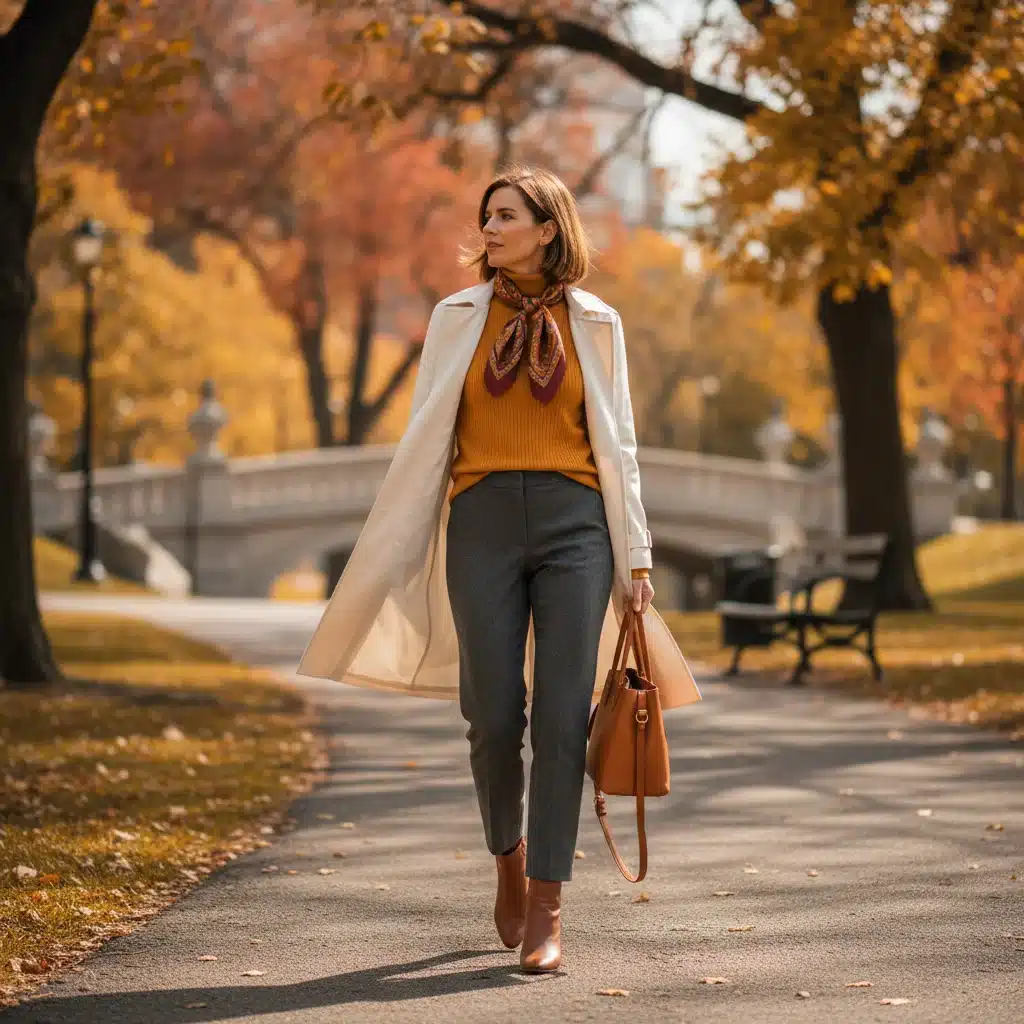
- Trench Coats: The quintessential transitional outerwear, a classic trench coat is timeless for a reason. Its water-resistant fabric and adjustable belt make it perfect for unpredictable weather.
- Denim Jackets: A versatile and stylish option, a denim jacket can be dressed up or down. It’s ideal for adding a casual cool factor to almost any outfit.
- Blazers: A well-tailored blazer instantly elevates any look. Whether worn over a t-shirt, a blouse, or a thin sweater, it adds structure and sophistication. Opt for wool blends or linen blends for transitional comfort.
- Lightweight Parkas/Anoraks: For more practical, weather-resistant options, a lightweight parka or anorak provides protection from wind and light rain without the bulk of a winter coat.
- Leather Jackets: A classic leather or faux leather jacket adds an edgy touch and provides a good amount of warmth without being too heavy.
Maximizing Your Outerwear:
Your outerwear should be chosen to complement the layers beneath it. For instance, if you’re wearing a chunky knit mid-layer, ensure your trench coat or jacket has enough room to accommodate it comfortably without feeling restrictive. Conversely, a sleek blazer works best over more streamlined base and mid-layers.
Consider carrying a lightweight outer layer with you, even if the day starts warm. A packable trench coat or a foldable denim jacket can be a lifesaver when the temperature drops unexpectedly. The beauty of transitional outfits layering is having options at your fingertips.
Technique 4: The Accessory Advantage – The Details That Define
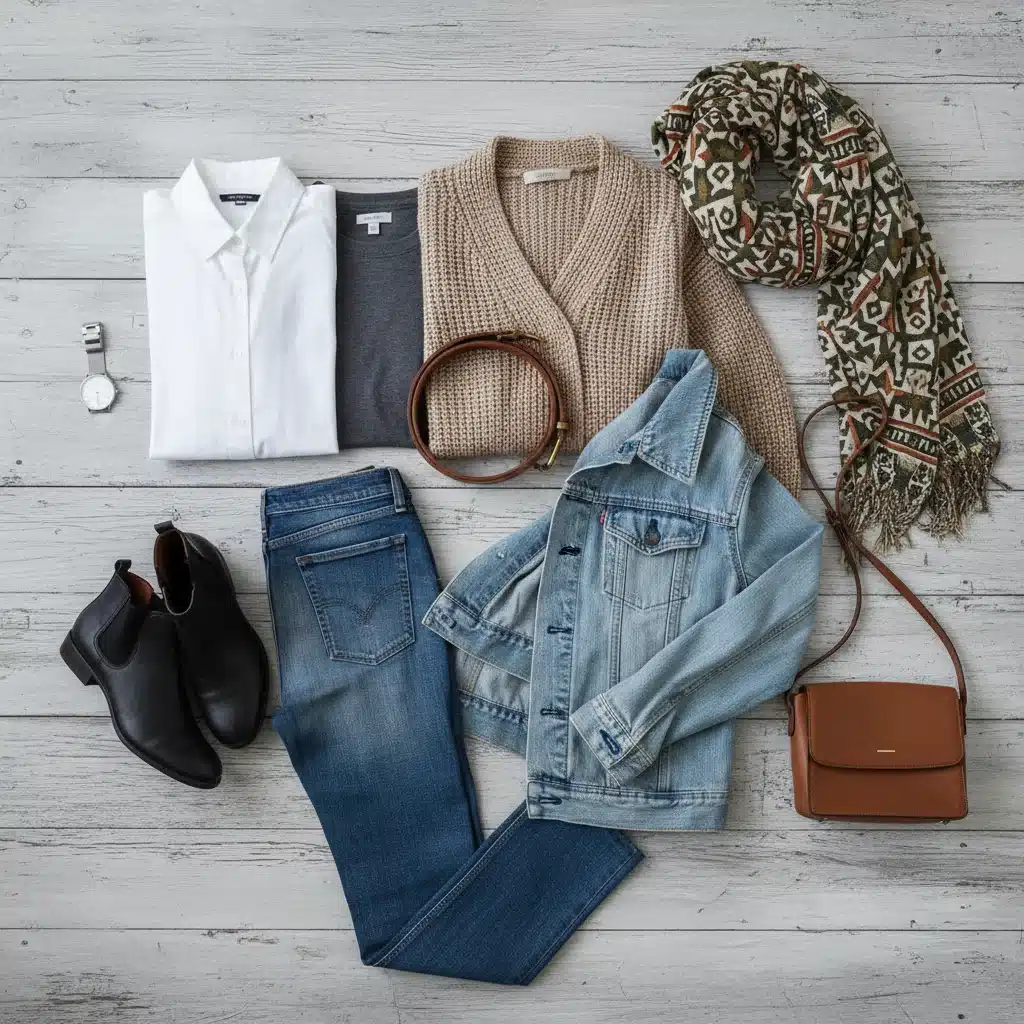
Accessories are often overlooked in the layering process, but they play a pivotal role in completing your transitional outfits layering and adding functional warmth or style. They are the finishing touches that can transform a simple outfit into a fashion statement.
Must-Have Transitional Accessories for 2026:
- Scarves: Perhaps the most versatile layering accessory, scarves come in various materials (silk, cotton, light wool) and can be worn in countless ways – around the neck for warmth, draped over shoulders for style, or even tied to a bag.
- Belts: Belts are fantastic for defining your silhouette, especially when layering. Cinching a loose dress, a long cardigan, or even a blazer with a belt can add structure and polish.
- Hats: A stylish beanie, a wide-brimmed felt hat, or a chic beret can provide warmth and elevate your look, especially on cooler, windier days.
- Jewelry: While not for warmth, statement necklaces, layered delicate chains, or bold earrings can draw attention and add personality to your layered ensembles.
- Footwear: Transitional footwear options like ankle boots, stylish sneakers, loafers, and mules are crucial. They bridge the gap between summer sandals and winter boots, offering comfort and style.
Integrating Accessories Seamlessly:
When incorporating accessories into your transitional outfits layering, think about how they complement the overall aesthetic. A vibrant silk scarf can add a pop of color to a neutral layered look, while a structured leather belt can bring definition to an otherwise flowing silhouette. The key is to use accessories to enhance, not overwhelm, your outfit.
For colder transitional days, a lightweight wool scarf can be invaluable for keeping your neck warm without needing a heavy coat. On warmer days, a cotton bandana or a silk square can add a chic touch without adding heat. Always consider the functionality and aesthetic contribution of each accessory.
Technique 5: The “Third Piece Rule” – Elevating Everyday Looks
The “Third Piece Rule” is a widely recognized styling principle that instantly elevates any outfit. It suggests that by adding a third, intentional item to your basic top-and-bottom combination, you can create a more complete, polished, and stylish look. This rule is particularly effective for transitional outfits layering, as it encourages thoughtful additions that serve both style and practicality.
Applying the Third Piece Rule:
Imagine a simple outfit: a t-shirt and jeans. This is a solid foundation, but it lacks a certain ‘je ne sais quoi’. Now, apply the third piece rule:
- Add a Blazer: Instantly transforms the casual combo into a smart-casual ensemble, perfect for a business meeting or a chic lunch.
- Drape a Cardigan: Provides warmth and a relaxed, cozy vibe, ideal for cooler evenings or a comfortable office environment.
- Throw on a Denim Jacket: Adds an element of effortless cool and extra warmth.
- Cinch with a Belt: If your top is longer or oversized, a belt can create definition and a more put-together look.
- Wrap a Scarf: A stylish scarf can add color, texture, and a touch of sophistication.
Why the Third Piece is Crucial for Transitional Outfits:
The third piece isn’t just about aesthetics; it’s about adaptability. As temperatures fluctuate, this additional layer can be easily added or removed, allowing you to adjust to your environment without overhauling your entire outfit. It gives you control over your comfort level while maintaining a cohesive and stylish appearance. For transitional outfits layering, the third piece is your secret weapon for looking effortlessly chic and prepared for anything.
This technique encourages you to think beyond just two items and consider how an additional garment or accessory can complete your look, adding depth, interest, and functionality. It’s a simple yet powerful way to elevate your everyday style and master the art of transitional dressing.

Sustainability and Longevity in Transitional Outfits Layering
In 2026, fashion is not just about aesthetics; it’s also deeply intertwined with sustainability and mindful consumption. When building your wardrobe for transitional outfits layering, consider investing in high-quality, durable pieces that will last for years. This not only reduces your environmental footprint but also ensures you have reliable, stylish options season after season.
Tips for a Sustainable Layered Wardrobe:
- Invest in Quality Over Quantity: A few well-made pieces will outperform a closet full of fast fashion items. Look for robust stitching, quality fabrics, and timeless designs.
- Choose Versatile Colors: Neutral colors (black, white, gray, navy, beige, olive green) form the backbone of a versatile wardrobe. They mix and match effortlessly, extending the life of your garments.
- Prioritize Natural and Recycled Fabrics: Opt for organic cotton, linen, Tencel, modal, merino wool, and recycled synthetics. These are generally better for the planet and often more comfortable.
- Care for Your Clothes: Proper care extends the life of your garments. Follow washing instructions, repair minor damage, and store items correctly.
- Embrace Capsule Wardrobe Principles: Focus on building a collection of interchangeable items that can be combined in numerous ways. This inherently supports the concept of transitional outfits layering.
By making conscious choices, your layered wardrobe can be both fashionable and responsible, reflecting the evolving values of modern consumers.
Common Mistakes to Avoid in Transitional Outfits Layering
While layering offers immense styling potential, it’s also easy to make a few missteps. Avoiding these common mistakes will help you perfect your transitional outfits layering:
- Over-Layering: Too many layers can lead to bulkiness, discomfort, and a shapeless silhouette. Stick to 3-4 layers max, focusing on quality and purpose.
- Ignoring Fabric Weight: Wearing heavy fabrics as a base layer can make you overheat quickly. Always start light and build up.
- Mismatching Silhouettes: Pairing an oversized top with overly baggy bottoms can look sloppy. Aim for balance – if one piece is voluminous, the other should be more fitted.
- Forgetting About Proportion: Ensure your layers create a pleasing visual line. For instance, a very long top layer over a very short mid-layer might look awkward.
- Neglecting Comfort: If you’re uncomfortable, it will show. Your layers should allow for ease of movement and not feel restrictive.
- Sticking to Only Neutrals: While neutrals are great, don’t be afraid to introduce color or subtle patterns to add personality and vibrancy to your layered looks.
The Future of Transitional Outfits Layering in 2026
Looking ahead to 2026, the emphasis on versatility, comfort, and personal expression will only grow. Technology will likely play an even larger role, with advancements in smart fabrics that adapt to temperature changes, further enhancing the functionality of transitional outfits layering. We might see more integrated designs where layers are cleverly built into single garments, offering the illusion of layering with less bulk.
Furthermore, the gender-neutral fashion movement will continue to influence layering, with more fluid designs and versatile pieces that transcend traditional gender norms. The focus will remain on creating adaptable, stylish, and sustainable wardrobes that empower individuals to dress confidently for any seasonal shift.
Conclusion: Embrace the Art of Transitional Outfits Layering
Mastering transitional outfits layering is an invaluable skill for anyone looking to navigate the unpredictable nature of seasonal changes with style and comfort. By understanding the principles of base, mid, and outer layers, leveraging the power of accessories, and applying the ‘third piece rule’, you can build a versatile wardrobe that serves you year-round.
Remember to prioritize quality fabrics, thoughtful proportions, and conscious consumption. Your ability to effortlessly adapt your attire to fluctuating temperatures and diverse settings will not only enhance your personal style but also contribute to a more sustainable approach to fashion. So, go forth and experiment with these techniques, and confidently embrace the art of layering in 2026 and beyond!